Summary: Building reliable Zapier automations requires more than simple workflows. By using Paths for conditional logic, Sub-Zaps for modular design, and advanced error handling with retries and autoreplay, businesses can prevent failures and minimise downtime. Standardising data with JSON formatting and validation further reduces errors and improves reliability. A defensive automation approach creates scalable, resilient workflows that continue operating smoothly even when APIs, data, or external systems encounter issues.

Beyond the No-Code Ceiling: Why n8n is the Engine for High-Complexity Enterprise Automation
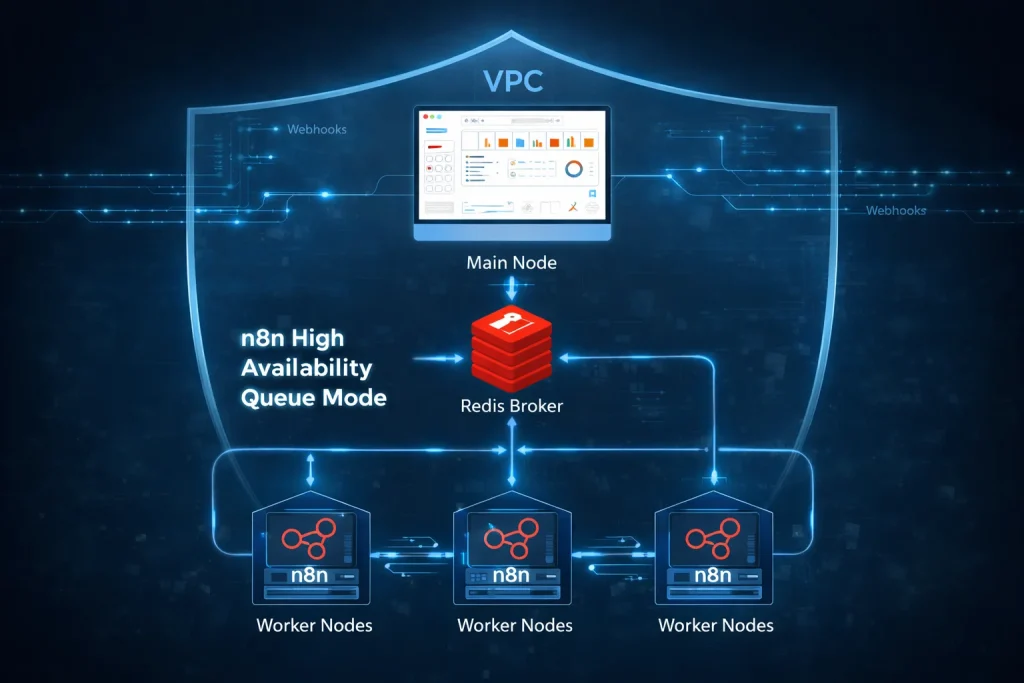
Summary: n8n helps businesses move beyond the limits of traditional no-code tools by providing greater flexibility, scalability, and control. With custom workflows, self-hosted infrastructure, advanced integrations, and stronger security, organizations can automate complex processes, reduce costs, and build a reliable foundation for enterprise-scale automation.
Automate Your Marketing Stack: From Content Creation to Social Distribution
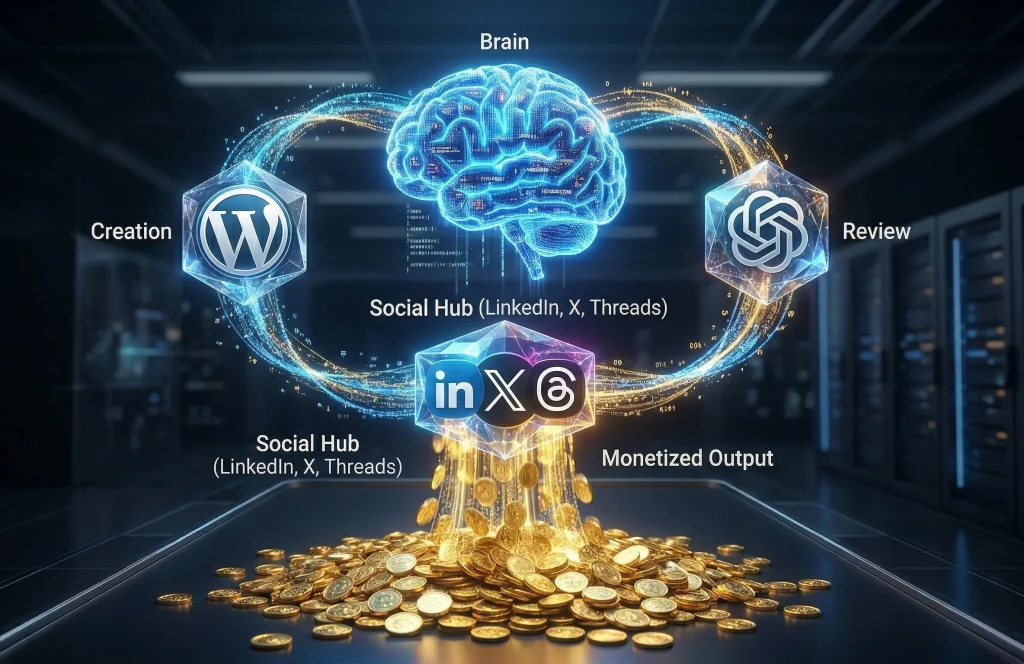
Summary: This blog explains how businesses can automate their entire marketing workflow, from content creation to multi-channel social distribution, using AI and automation tools. By combining AI-generated content, platform-specific formatting, automated publishing, human approval workflows, trend monitoring, and real-time analytics, organizations can create an always-on marketing engine. The approach helps teams save time, maintain content quality, improve audience engagement, and accurately measure ROI. Rather than replacing marketers, automation handles repetitive tasks, allowing teams to focus on strategy, creativity, and growth while scaling content production efficiently across multiple channels.
RPA vs API Automation: Which to Use in 2026
Summary: RPA and API automation serve different purposes in modern enterprise automation. APIs are faster, more scalable, secure, and reliable, making them ideal for high-volume, long-term business processes. RPA remains essential for legacy systems, vendor portals, Citrix environments, and applications without API access. In 2026, leading organizations use a hybrid approach called Agentic Process Automation (APA), where AI agents orchestrate both APIs and RPA bots. This strategy combines API efficiency with RPA flexibility, enabling automation across modern and legacy systems alike.
Your Data, Your Rules: Why 2026 is the Year of Self-Hosted n8n
Summary: Is n8n HIPAA and GDPR compliant? n8n itself is not certified as HIPAA or GDPR compliant out of the box — compliance depends on how you deploy it. Self-hosted in your own VPC with a signed Business Associate Agreement (BAA), AES-256 encryption at rest, and TLS 1.3 in transit, n8n can meet HIPAA and GDPR requirements for handling PHI and personal data.
Beyond Simple Triggers: Building Self-Thinking AI Agents in n8n
Summary:
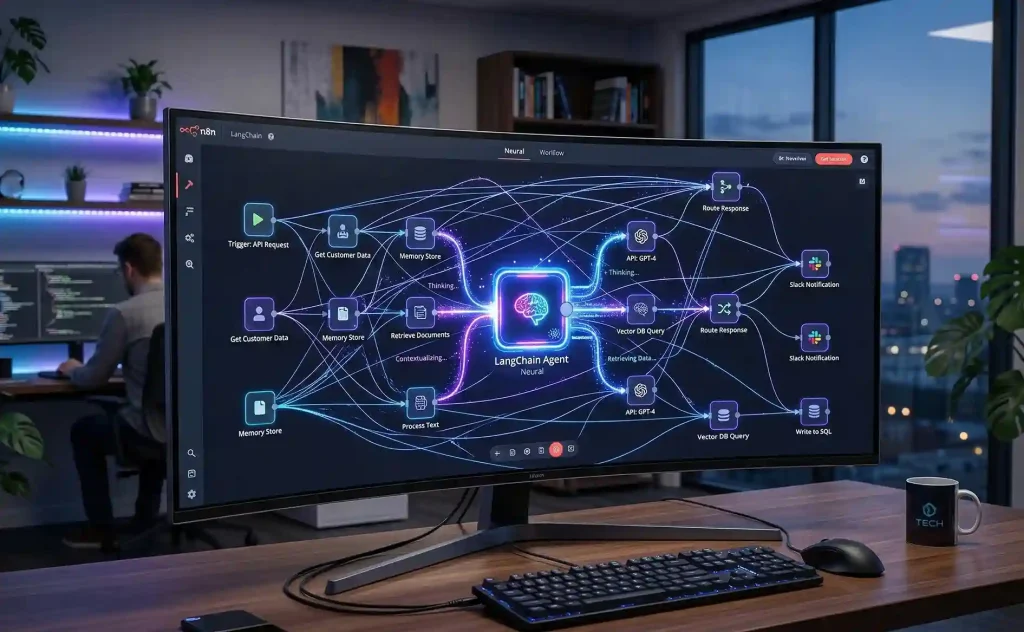
2026 is the year automation gets smarter. Instead of following rigid rules, n8n AI agents can think, remember, adapt, and take action using tools like LangChain and RAG. With multi-agent systems, human approval checkpoints, and cost controls, businesses can build intelligent workflows that reliably handle complex tasks. The future isn’t just about automating processes; it’s about creating digital brains that learn, reason, and scale with your business.
Stop Overpaying: Why n8n is the “Zapier-Killer” of 2026
Summary: Zapier is great for getting started, but as your business grows, its task-based pricing can become expensive. This blog explains why many companies are switching to n8n in 2026 for lower costs, greater flexibility, stronger AI capabilities, and full control over their data. With visual debugging, self-hosting options, advanced workflow logic, and native AI orchestration, n8n is built for scale. For businesses running thousands of automations, it offers a smarter, more affordable way to automate, innovate, and grow without limits.
The Invisible Concierge: How Agentic AI is Redefining Travel in 2026
Summary:Blockchain is transforming the automotive industry in 2026 by creating tamper-proof digital records for vehicles, parts, and ownership. From preventing odometer fraud and counterfeit components to enabling smart maintenance, dynamic insurance, and secure autonomous driving, blockchain brings trust and transparency to every stage of a vehicle’s lifecycle. It also supports new regulations like the EU Battery Passport by tracking sourcing and sustainability data. The result is a safer, smarter, and more connected automotive ecosystem built on verified, decentralized information.
The Digital Twin: Why Every Car Needs a Blockchain ‘Passport’ in 2026
Summary: This article explores how hospitality is being transformed by Agentic AI in 2026. Hotels are deploying AI agents for bookings, concierge services, staff support, dynamic pricing, and personalized guest experiences. WhatsApp has become the primary channel for travel commerce, enabling seamless booking and support. Advanced technologies such as blockchain-based identity, tokenized loyalty programs, and integrated data ecosystems enhance trust and efficiency. Hotels that embrace AI-driven automation, personalization, and agent-to-agent commerce will gain a significant competitive advantage in the evolving hospitality landscape.
The Deepfake Defense: How to Protect Your Brand’s Voice in an AI World
Summary: Deepfakes have become a major cybersecurity threat in 2026, enabling attackers to impersonate executives, manipulate public perception, and steal sensitive information. Organizations must adopt AI-powered detection, LLM observability, digital watermarking, and C2PA content authentication to verify media authenticity and prevent fraud. Industries such as healthcare face heightened risks due to regulatory and data privacy concerns. By implementing zero-trust security, monitoring AI-generated content, and establishing trusted sources of verified media, businesses can protect their reputation, maintain customer trust, and defend against evolving AI-driven threats.