Summary: Enterprise multi-agent LLM orchestration replaces single AI assistants with specialized AI teams that collaborate to handle complex business workflows more accurately and efficiently. By assigning dedicated roles for planning, research, compliance, analysis, writing, and validation, organizations can reduce hallucinations, improve scalability, and maintain better governance. Powered by frameworks like CrewAI and LangGraph, these autonomous AI systems integrate enterprise knowledge, shared memory, and human oversight to deliver reliable, production-ready automation that drives real business value.
Securing the Bot: Zero-Trust Governance for Enterprise RPA
Are you pasting sensitive data into public AI tools? Learn the massive security and compliance risks of “Shadow AI” and how to protect your data.
Don’t Let Workflows Crash: The n8n Performance Guide for Power Users
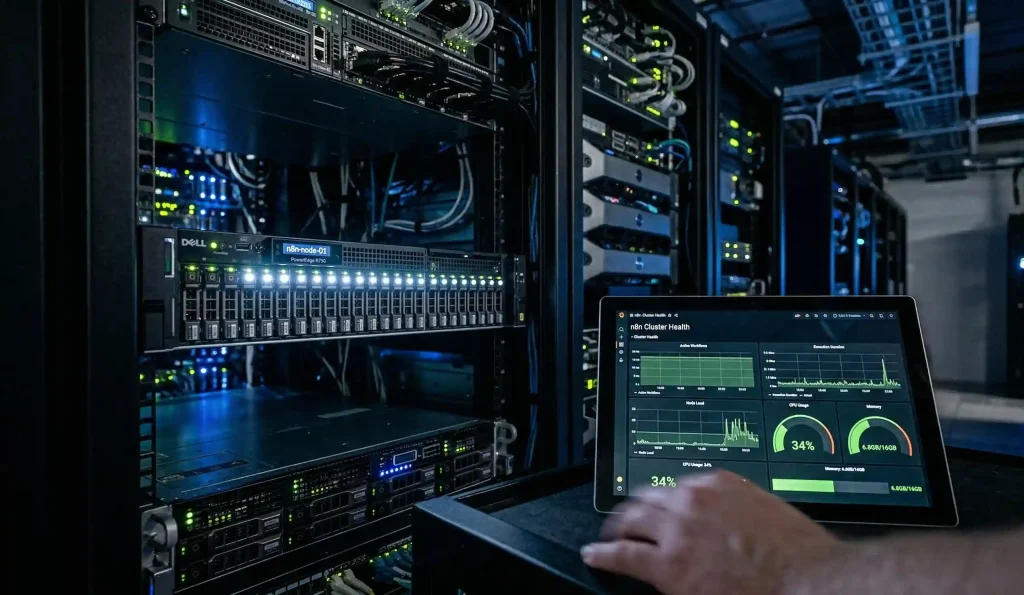
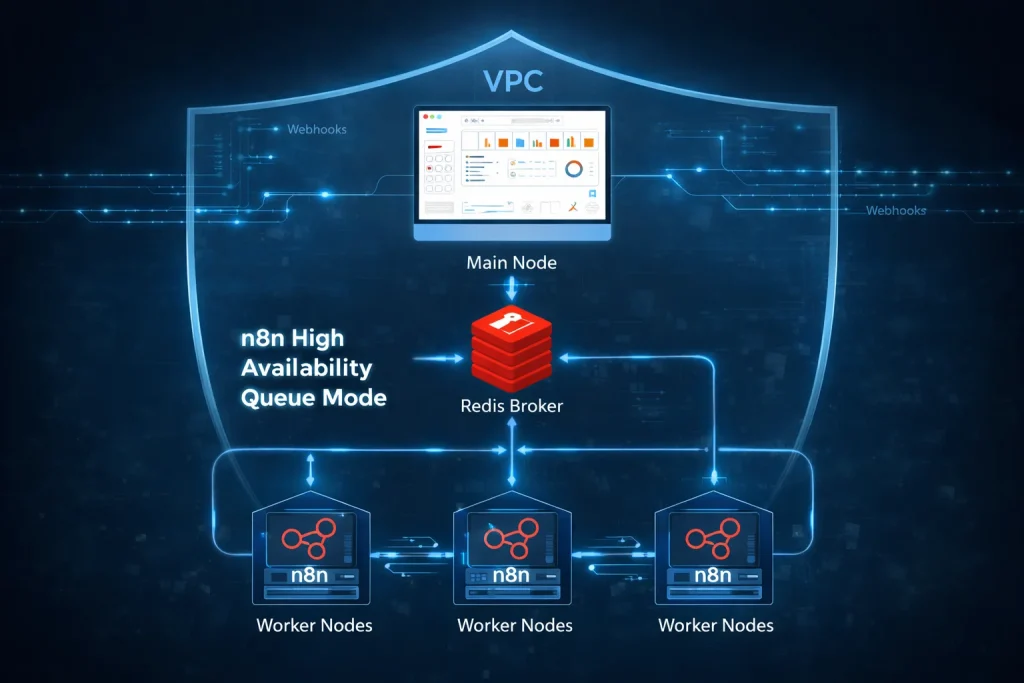
Summary: As n8n workflows scale, businesses need more than the default setup to maintain performance and reliability. By optimizing infrastructure, using Queue Mode, improving database and memory management, and monitoring workflows in real time, organizations can prevent crashes, handle larger workloads, and build a scalable automation system that supports long-term growth.
The Error-Free Office: Advanced Error Handling, Paths, and Sub-Zaps in Zapier
Are you pasting sensitive data into public AI tools? Learn the massive security and compliance risks of “Shadow AI” and how to protect your data.
Beyond the No-Code Ceiling: Why n8n is the Engine for High-Complexity Enterprise Automation
Summary: n8n helps businesses move beyond the limits of traditional no-code tools by providing greater flexibility, scalability, and control. With custom workflows, self-hosted infrastructure, advanced integrations, and stronger security, organizations can automate complex processes, reduce costs, and build a reliable foundation for enterprise-scale automation.
Automate Your Marketing Stack: From Content Creation to Social Distribution
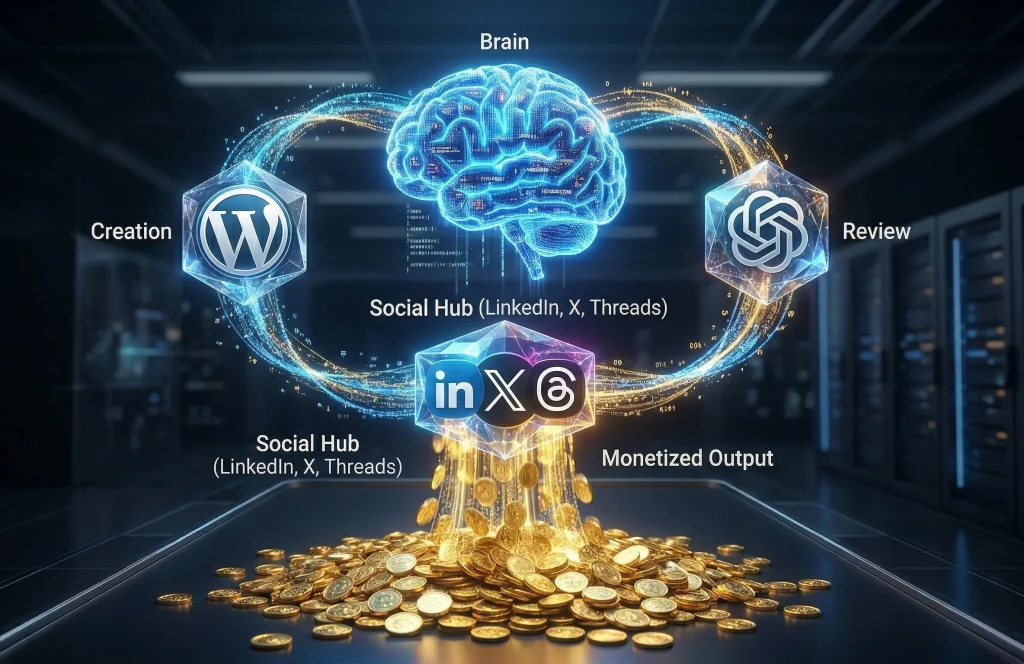
Summary: This blog explains how businesses can automate their entire marketing workflow, from content creation to multi-channel social distribution, using AI and automation tools. By combining AI-generated content, platform-specific formatting, automated publishing, human approval workflows, trend monitoring, and real-time analytics, organizations can create an always-on marketing engine. The approach helps teams save time, maintain content quality, improve audience engagement, and accurately measure ROI. Rather than replacing marketers, automation handles repetitive tasks, allowing teams to focus on strategy, creativity, and growth while scaling content production efficiently across multiple channels.
RPA vs. API Automation: When to Use Bots vs. Direct Integrations
Summary: RPA and API automation serve different purposes in modern enterprise automation. APIs are faster, more scalable, secure, and reliable, making them ideal for high-volume, long-term business processes. RPA remains essential for legacy systems, vendor portals, Citrix environments, and applications without API access. In 2026, leading organizations use a hybrid approach called Agentic Process Automation (APA), where AI agents orchestrate both APIs and RPA bots. This strategy combines API efficiency with RPA flexibility, enabling automation across modern and legacy systems alike.
Your Data, Your Rules: Why 2026 is the Year of Self-Hosted n8n
Summary: In 2026, businesses are increasingly self-hosting n8n to gain full control over their data, security, and automation workflows. Self-hosting improves privacy, supports compliance with regulations like HIPAA and GDPR, reduces vendor dependency, and protects sensitive information through encryption, network isolation, and monitoring. With scalable architectures such as Queue Mode, organizations can build reliable, secure, and high-performance automation systems while maintaining complete ownership of their business logic and customer data.
Beyond Simple Triggers: Building Self-Thinking AI Agents in n8n
Summary:
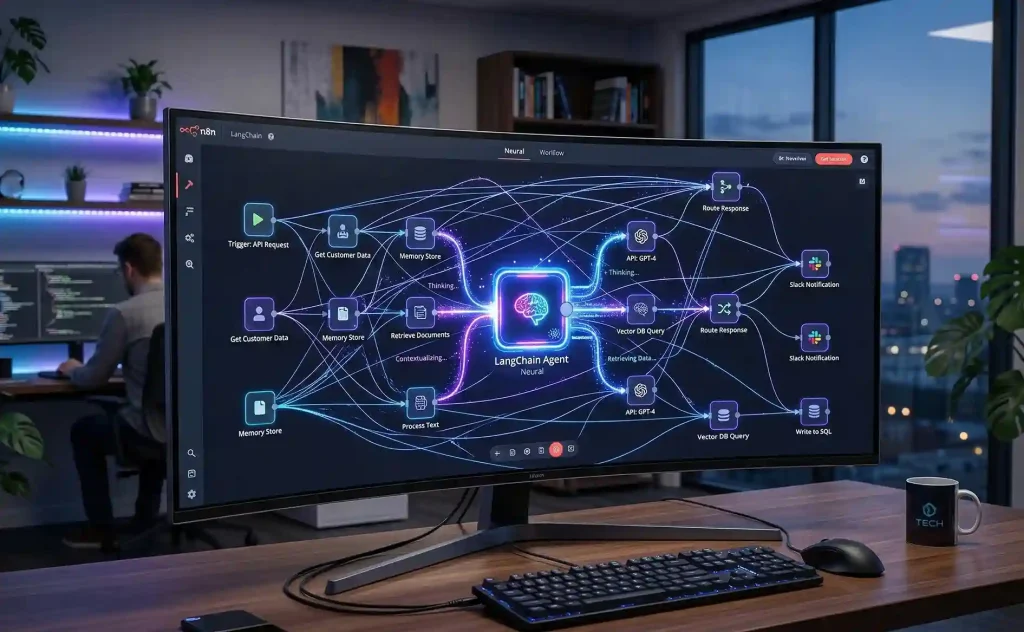
2026 is the year automation gets smarter. Instead of following rigid rules, n8n AI agents can think, remember, adapt, and take action using tools like LangChain and RAG. With multi-agent systems, human approval checkpoints, and cost controls, businesses can build intelligent workflows that reliably handle complex tasks. The future isn’t just about automating processes; it’s about creating digital brains that learn, reason, and scale with your business.
Stop Overpaying: Why n8n is the “Zapier-Killer” of 2026
Summary: Zapier is great for getting started, but as your business grows, its task-based pricing can become expensive. This blog explains why many companies are switching to n8n in 2026 for lower costs, greater flexibility, stronger AI capabilities, and full control over their data. With visual debugging, self-hosting options, advanced workflow logic, and native AI orchestration, n8n is built for scale. For businesses running thousands of automations, it offers a smarter, more affordable way to automate, innovate, and grow without limits.