Medical Speech Recognition for Fast Clinical Notes
Turn spoken notes into accurate medical transcription in minutes. Our medical speech recognition software helps doctors record patient details without typing. It cuts documentation time, lowers errors, and keeps clinical records clear and ready for EHR systems.
You are in great company







AI Health Insights
Medical Speech Recognition Software: Built for Clinical Documentation
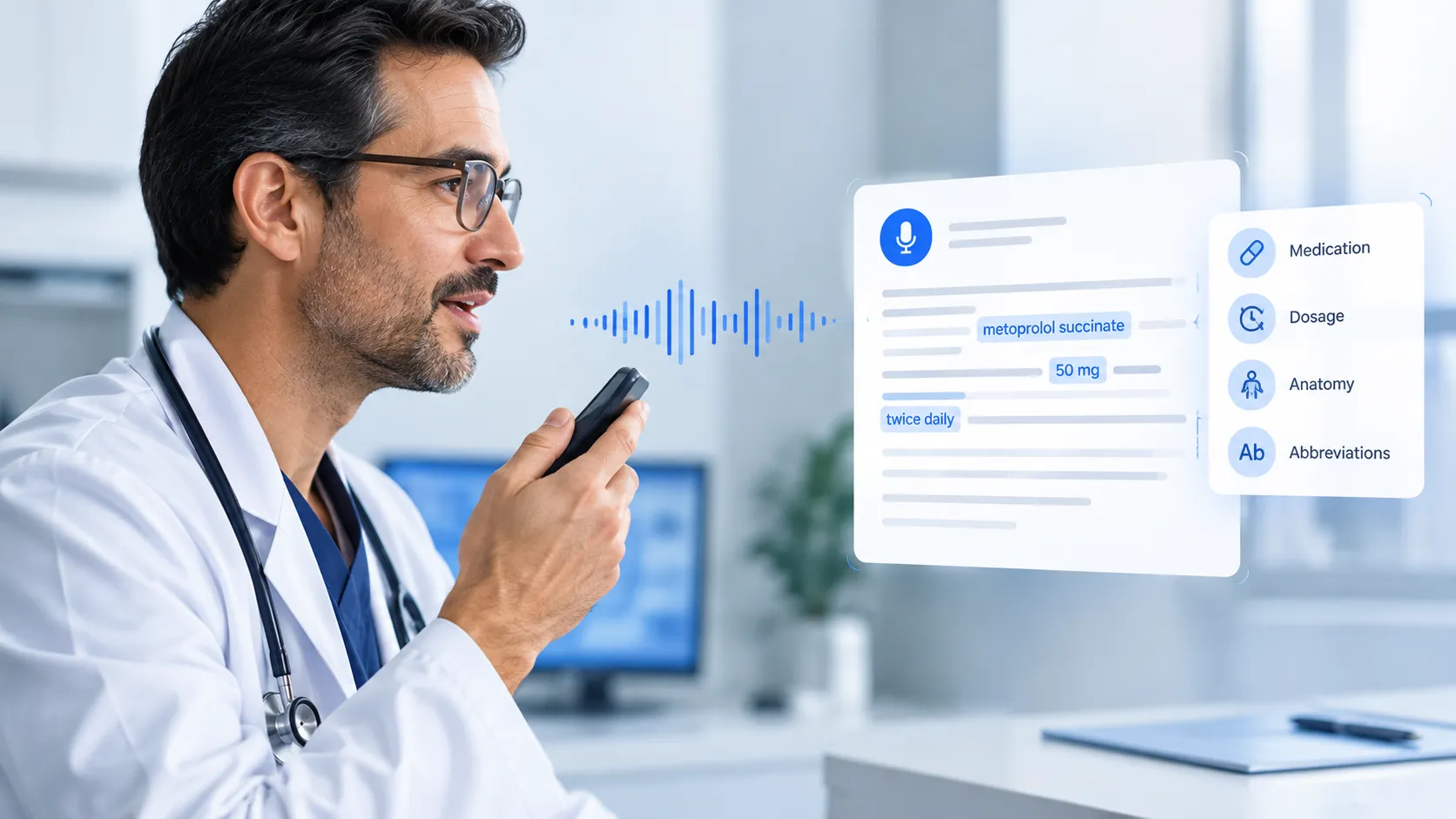
Keeping medical records accurate is critical. And typing everything takes time. That’s where medical speech recognition and medical transcription speech recognition software help. Doctors can speak naturally while the system turns speech into structured clinical notes in real time.
This medically infused speech recognition setup understands medical terms, acronyms, and context. So notes stay clear and usable for EHR systems. It helps reduce documentation stress, improve coding accuracy, and keep patient records ready without extra admin work.
Capture patient conversations as they happen. AI medical scribe tools convert speech into notes instantly. Nothing important gets missed, and documentation stays current without extra typing.
Works with major systems like Epic, Cerner, and Meditech. Voice-enabled EMR workflows keep documentation smooth.
Clinical NLP helps pick up patterns in conversations. This supports better summaries, coding suggestions, and clearer patient records.
Speech data can help surface useful clinical insights. This supports decisions without adding extra workload.
Voice notes from telehealth or remote care can sync directly into records for easier follow-up.
Works well during virtual consultations. Conversations can turn into structured notes right away.
Voice documentation can combine with device data for fuller patient records when needed.
Get reminders for incomplete documentation, coding gaps, or pending summaries.
Seamless AI-Powered Tracking
Medical Speech Recognition That Works in Real Time
Medical speech recognition helps doctors capture patient conversations as they happen. Notes stay accurate without typing everything manually. It keeps clinical workflows smoother and reduces documentation delays.
Turn speech into accurate medical records.
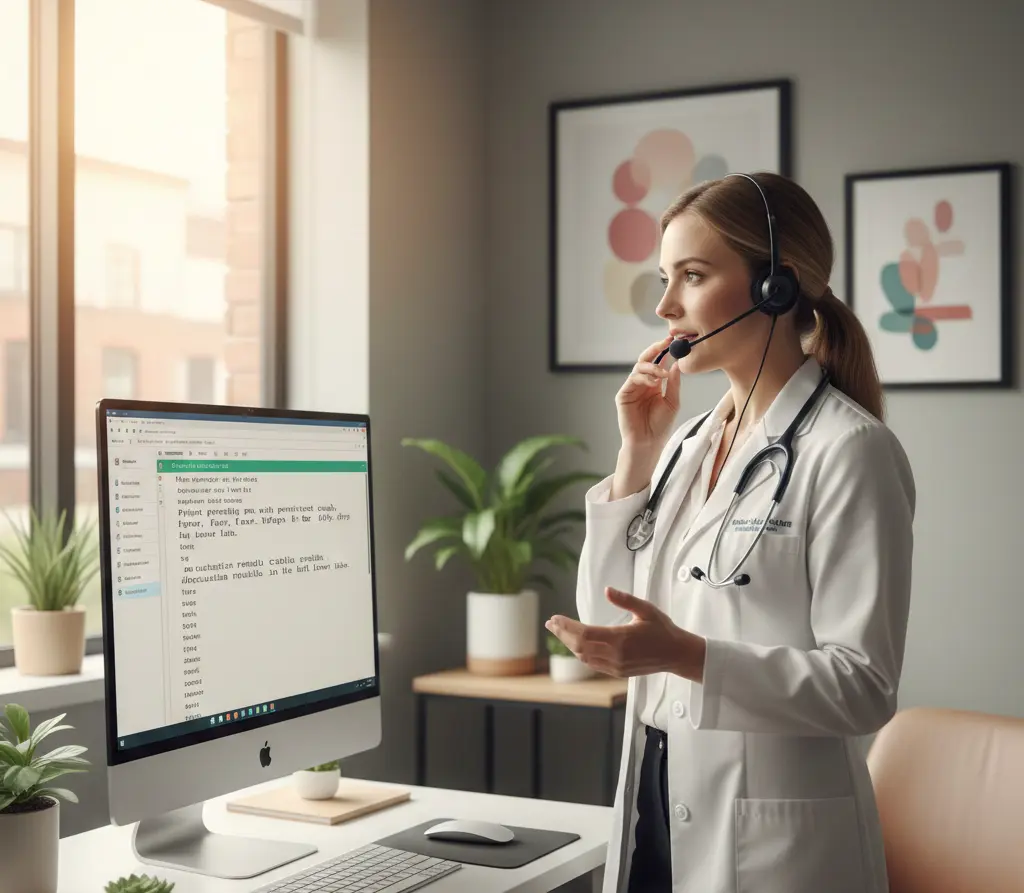
Real-Time Medical Dictation & Clinical Notes
Medical transcription speech recognition software converts spoken clinical details into structured notes instantly. This supports voice-first clinical documentation, faster EHR updates, and clearer patient records.
Less typing, more focus on patients.
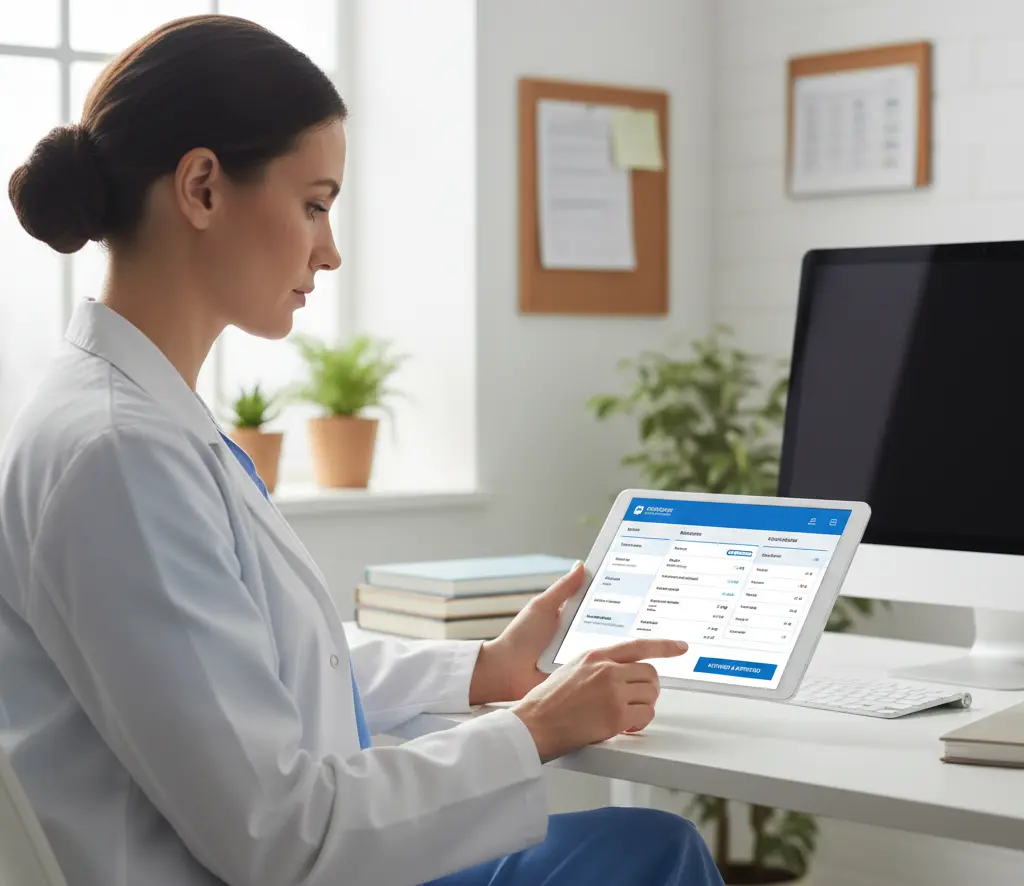
AI Medical Scribe Support for Clinical Insights
AI medical scribe tools can summarize visits, highlight key details, and help with clinical documentation. This reduces admin load and keeps doctors focused on patients instead of screens.
Clear notes with secure documentation.
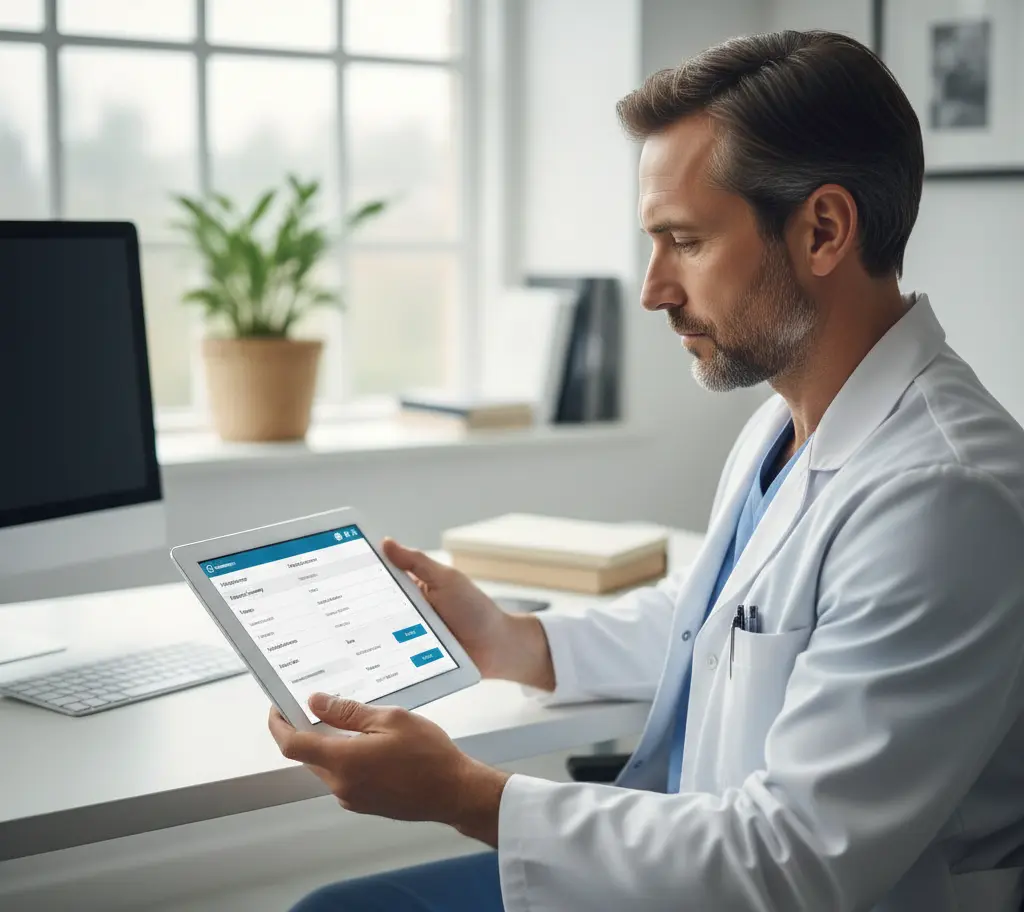
Clinical Alerts, Summaries & Secure Records
AI medical scribe tools can summarize visits, highlight key details, and help with clinical documentation. This reduces admin load and keeps doctors focused on patients instead of screens.
Smarter health, real-time.
Core Advantages of AI-Driven Medical Speech Recognition
Advanced Transcription Capabilities
Advanced Transcription Capabilities
Personalized Documentation Insights
Personalized Documentation Insights:
Seamless Integration
Seamless Integration
Predictive Health Analytics
Predictive Health Analytics
Enhanced Health Monitoring
Enhanced Health Monitoring
Remote Health Oversight
Advanced Diagnostic Capabilities
Our Partnership
Transforming Industries with AI-Powered Solutions
Harness the power of AI to streamline operations, enhance decision-making, and unlock new opportunities.
MongoDB
Kubernetes
Docker
TensorFlow
Azure
Firebase
GC Care API
OpenCV
Hadoop
Node.js
MongoDB
Kubernetes
Docker
TensorFlow
Azure
Firebase
GC Care API
OpenCV
Hadoop
Node.js
Our Success Stories
CASE STUDY | WEARALE APP
Car Share Watch App: Wearable Tech for Smarter Ride-Sharing
We leverage AI, machine learning, and smart analytics in wearable health technology to deliver real-time vitals tracking, personalized insights, and proactive alerts—transforming the way users monitor and manage their health.
CASE STUDY | WEARALE APP
Car Share Watch App: Wearable Tech for Smarter Ride-Sharing
We leverage AI, machine learning, and smart analytics in wearable health technology to deliver real-time vitals tracking, personalized insights, and proactive alerts—transforming the way users monitor and manage their health.
Medical Speech Recognition Built for Real Clinical Work
Insights
Current Trends and Developments in Medical Speech Recognition
Stay up-to-date with current trends and developments in Medical Speech Recognition, including advances in real-time clinical documentation, AI-powered dictation tools, error-reduction algorithms, and interoperability with electronic health record (EHR) systems.



Testimonial
Why Choose Techelix for your Medical Documentation?
techelix provides healthcare providers with industry-leading AI-driven medical speech recognition. Engineered for high accuracy (up to 99%) and seamless EHR integration, our solution converts dictation into detailed, searchable patient records in real-time. By automating documentation, techelix significantly reduces the administrative burden, freeing up valuable clinical time for patient care and ensuring optimal accuracy for better outcomes and reimbursement.
Expertise Across 20+ Global Industries and Domains
Our cross-industry expertise allows us to address challenges with precision and provide optimal solutions
Personalized Solutions Tailored for Global Businesses
AI solutions can be customized and personalized to meet the unique demands of each customer.
Trusted by One Thousand Enterprise Level Clients Globally
Our company proudly serves numerous delighted clients across industries worldwide every day.
Help Center
FAQs About Medical Speech Recognition
Quick answers to questions you may have. Can't find what you're looking for? Check out our full documentation.
Yes, when it’s medically infused speech recognition. These systems understand specialty-specific vocabulary and clinical context. Accuracy improves further with clinician review, making notes reliable for EHR records and billing.
Most modern medical speech recognition tools support direct EHR integration. They work with systems like Epic, Cerner, and Meditech, allowing voice-enabled EMR workflows without switching screens or copying notes manually.
Healthcare-grade speech recognition uses encrypted dictation, access controls, and secure storage. HIPAA-compliant speech recognition ensures patient data stays protected during recording, processing, and transfer across clinical systems.
Yes. Voice-first clinical documentation reduces typing, shortens note completion time, and helps end after-hours charting. This lowers documentation burden and gives clinicians more time with patients instead of screens.
Technology Expertise
Techelix's Expertise in Delivering Medical Speech Recognition Services.
We build medical speech recognition solutions for healthcare teams needing faster documentation. Our medical transcription speech recognition software supports clinical workflows, reduces typing effort, improves record accuracy, and helps providers maintain clear patient documentation across everyday healthcare environments.
Sector Expertise
Industries We Serve
Our expertise benefits businesses across Industries
Banking & FinTech
Travel Solutions
Let’s Build Your App Together
Share your app idea with us, and we’ll guide you from concept to launch with a clear, efficient development process.
Software innovation … requires the ability to collaborate … and to sit down and talk with customers and get their feedback and understand their needs.
Bill Gates
Founder & Former CEO, Microsoft