Summary: Medical speech recognition goes beyond general ASR by handling clinical terminology, medications, dosages, abbreviations, specialty-specific language, and multi-speaker conversations. Ambient AI scribes raise the accuracy requirements further because transcription errors can affect downstream clinical documentation. Healthcare organizations should evaluate systems using clinical WER, medication and numerical accuracy, speaker attribution, security, and documentation quality—not overall WER alone. A clinical-grade architecture combines vocabulary adaptation, context awareness, validation, confidence scoring, secure processing, and clinician review to support accurate and reliable healthcare workflows.

Hyperautomation 2026: Combining RPA, AI, and Process Mining
Summary: Hyperautomation is transforming enterprise operations in 2026 by combining AI, RPA, process mining, analytics, and workflow automation into a unified system that automates entire business processes rather than isolated tasks. Successful implementation begins with understanding existing workflows, followed by designing, testing, deploying, and continuously optimizing automation solutions. While it requires strategic investment, organizations can achieve significant efficiency gains, reduced costs, fewer errors, and ROI of 200–400% over time. The key to success is focusing on process visibility, governance, scalability, and measurable outcomes rather than simply deploying bots or AI tools without a clear automation strategy.
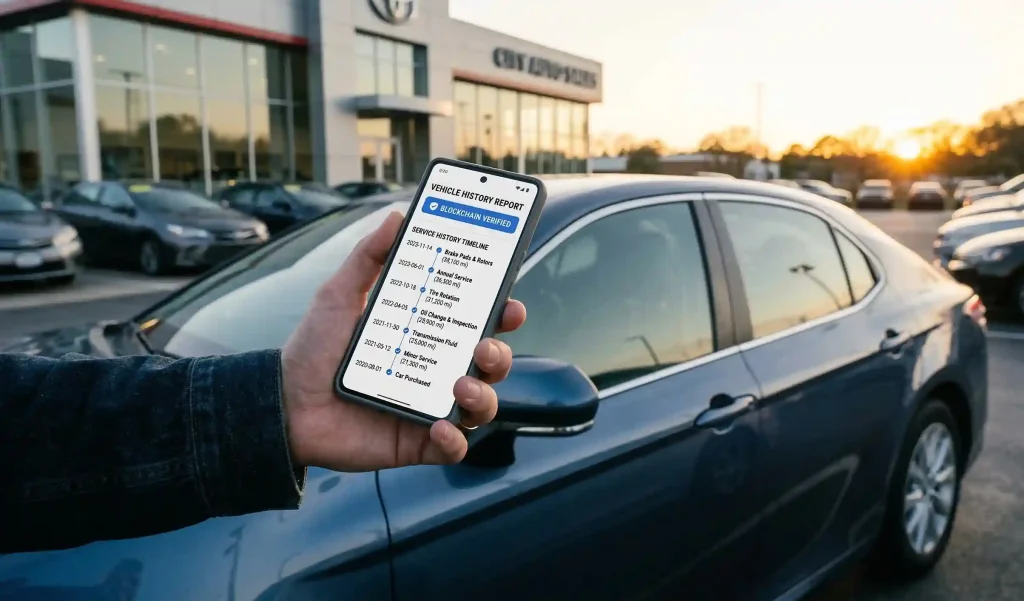
The Digital Twin: Why Every Car Needs a Blockchain ‘Passport’ in 2026
Summary: This article explores how hospitality is being transformed by Agentic AI in 2026. Hotels are deploying AI agents for bookings, concierge services, staff support, dynamic pricing, and personalized guest experiences. WhatsApp has become the primary channel for travel commerce, enabling seamless booking and support. Advanced technologies such as blockchain-based identity, tokenized loyalty programs, and integrated data ecosystems enhance trust and efficiency. Hotels that embrace AI-driven automation, personalization, and agent-to-agent commerce will gain a significant competitive advantage in the evolving hospitality landscape.
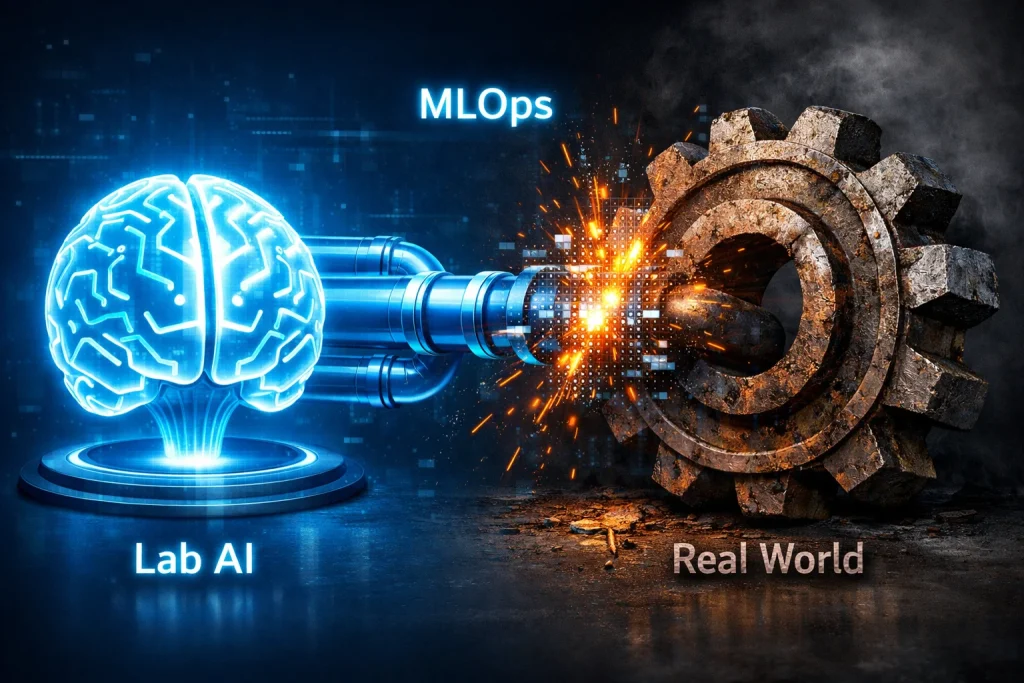
MLOps in FMCG: Deployment & Monitoring Challenges
Summary: MLOps helps FMCG companies turn AI models into reliable business assets by managing deployment, monitoring, retraining, and governance. The biggest challenges include fragmented data, model drift, scalability, and integrating AI with legacy systems. Successful MLOps strategies use continuous monitoring, automated retraining, version control, explainable AI, and strong security practices. A hybrid cloud-and-edge infrastructure provides both real-time responsiveness and long-term analytics. Ultimately, MLOps ensures AI remains accurate, scalable, and valuable, enabling FMCG brands to achieve sustainable ROI from their AI investments.
Automation 101: A Complete Guide to Workflow Automation, RPA, and Business Systems
Summary: Workflow automation, BPA, and RPA help businesses eliminate repetitive work, improve efficiency, and scale operations. BPA automates entire business processes, RPA handles tasks in legacy systems, and workflow automation connects apps and actions. Tools like Zapier and n8n make automation accessible, while strong security, governance, and human oversight ensure reliable results. The goal is simple: save time, reduce errors, and let teams focus on higher-value work.
The Ultimate Guide to AI in FMCG Industry: Trends, Use Cases & Implementation Challenges
Summary: AI is transforming the FMCG industry by improving demand forecasting, supply chain efficiency, manufacturing, customer personalization, and sustainability. From predicting consumer behaviour to reducing waste and optimizing operations, AI helps brands make faster, data-driven decisions. However, successful implementation requires overcoming challenges like poor data quality, legacy systems, and talent shortages. By starting with focused use cases, building strong data foundations, and scaling proven solutions, FMCG companies can unlock AI-driven growth and resilience.
DevOps Engineering: Everything You Need to Know for Modern Software Development
Summary: DevOps Engineering bridges the gap between development and operations by combining collaboration, automation, and continuous improvement. It helps teams build, test, deploy, and monitor software faster while maintaining stability and reliability. Through practices like CI/CD pipelines, infrastructure as code, containerization, and automated monitoring, DevOps reduces errors, improves efficiency, and accelerates innovation. For businesses, adopting DevOps means faster releases, lower costs, stronger software performance, and a more productive engineering culture.
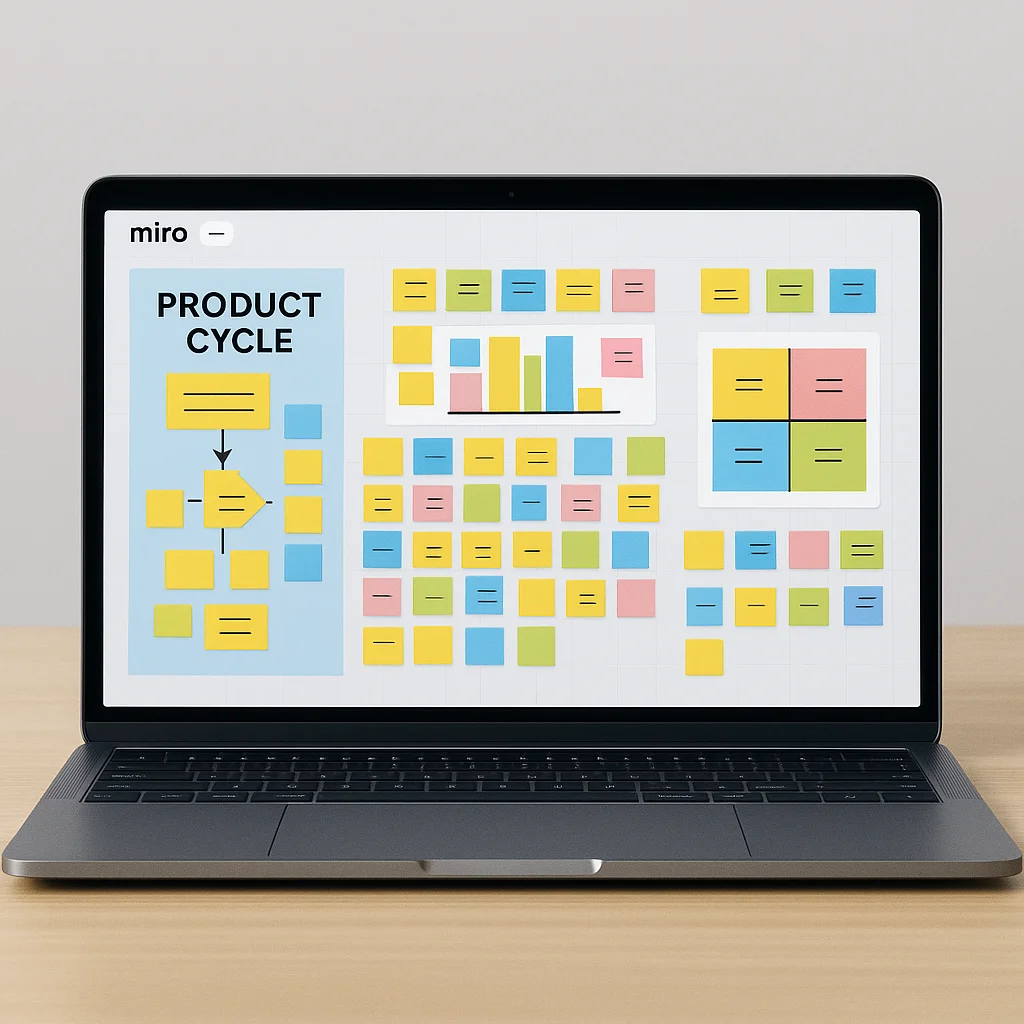
The Complete Guide to the Product Design Sprint Process
Summary: A product design sprint is a structured five-day process that helps teams validate ideas quickly through problem definition, solution sketching, prototyping, and user testing. It reduces development risk, improves collaboration, and speeds up decision-making by gathering real user feedback before full-scale development. While design sprints require dedicated participation and may not suit every project, they remain an effective way to accelerate innovation, reduce wasted effort, and build products that better meet user needs.
Vibe Coding: The New Language of AI-Powered Programming
Summary: Vibe coding is changing software development by using AI as a collaborative coding partner instead of focusing on manual syntax. Developers can describe ideas in natural language, refine AI-generated code, and build applications faster while staying focused on problem-solving. Tools like GitHub Copilot, Cursor, and Replit accelerate development, but human review remains essential for quality and security. As AI advances, vibe coding is set to become a standard approach to modern software development.
GPT 4 vs GPT 5 – Innovations, Improvements & Real-World Impact
Summary: GPT-5 builds on GPT-4 with stronger reasoning, a larger context window, faster performance, improved multilingual support, and lower hallucination rates. It introduces advanced reasoning capabilities, better instruction following, enhanced multimodal processing, and greater efficiency for coding, healthcare, and enterprise applications. With improved safety features and flexible model variants, GPT-5 delivers more accurate, reliable, and scalable AI solutions, making it a significant advancement for businesses, developers, and everyday users.