Summary:
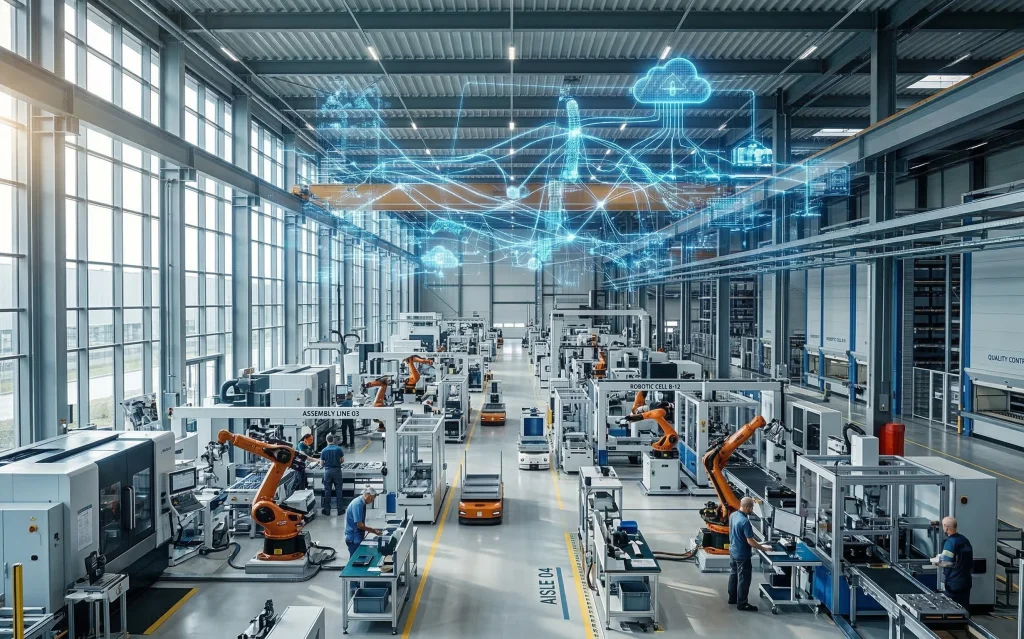
GreenOps helps manufacturers reduce cloud costs and carbon emissions by managing digital infrastructure more efficiently. In 2026, factories generate massive data workloads from IoT devices, robots, and digital twins, making cloud energy use a significant operational concern. Combining FinOps, AIOps, sustainable software development, and cloud-native architecture allows companies to eliminate idle resources, automate energy-saving actions, optimize workloads, and meet stricter sustainability regulations. The result is lower energy bills, reduced emissions, stronger compliance reporting, and a more competitive, profitable manufacturing business.
The End of the 3-Day Wait: Why Your Business Needs a Stablecoin Strategy in 2026
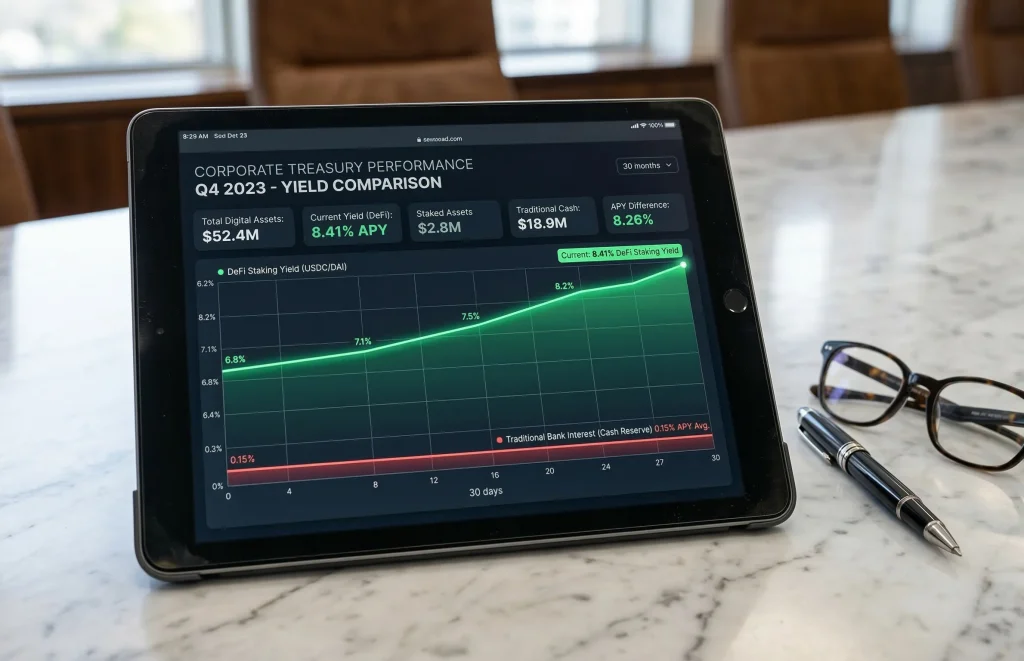
Summary: Stablecoins are transforming business payments in 2026 by enabling faster, cheaper, and more transparent global transactions. Companies can use stablecoin strategies to reduce banking delays, optimize treasury management through DeFi, improve compliance, and automate financial workflows. By integrating blockchain-based payment rails with existing software, businesses can unlock instant settlements, reduce trapped capital, and gain a competitive advantage in the new era of digital finance.
Breaking the $1M Barrier: How Real Estate Tokenization is Democratizing Property Investment in 2026
Summary: Real estate tokenization is transforming property investment by converting real estate assets into digital blockchain-based tokens that represent fractional ownership. This lowers entry barriers, improves liquidity, reduces reliance on intermediaries through smart contracts, and enables global investing from a smartphone. Modern regulations, KYC requirements, and legal structures have made tokenized real estate more secure and compliant than early crypto projects. As adoption grows, tokenization is creating a more transparent, accessible, and efficient property market, allowing broader participation in high-value real estate investments.
Closing the Security Gap: A Law Firm’s Guide to Modern Cloud Infrastructure and Compliance
Summary: Law firms face rising cybersecurity threats in 2026, including ransomware, AI-driven phishing, and stricter compliance requirements. Modern cloud infrastructure helps protect sensitive client data through Zero Trust security, passwordless authentication, automated compliance, and continuous monitoring. AI-powered legal assistants improve efficiency but must operate within secure environments to maintain confidentiality. By implementing security audits, phishing-resistant MFA, endpoint protection, and governance frameworks, firms can reduce risk, meet regulatory obligations, strengthen client trust, and safeguard their reputation while becoming more efficient and resilient in an increasingly digital legal landscape.
The Digital Harvest: How Blockchain is Securing the Future of Agriculture
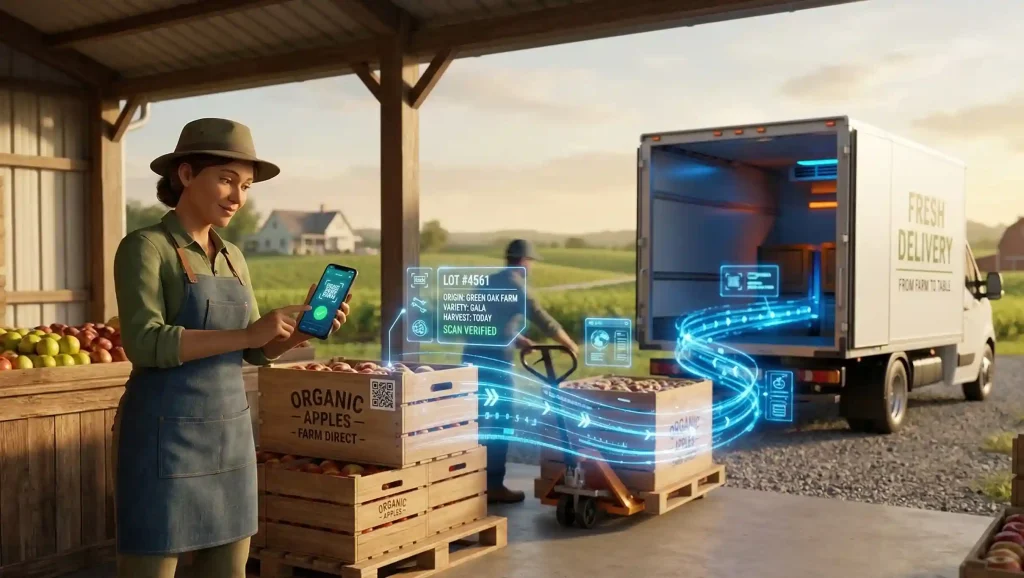
Summary: Blockchain is helping modernize agriculture by improving transparency, traceability, and trust across the food supply chain. By combining blockchain with IoT sensors, businesses can track products from farm to shelf, verify quality, reduce food waste, and meet growing sustainability regulations. Smart contracts enable faster payments for farmers and reduce reliance on intermediaries, while real-time data improves operational efficiency. As regulations tighten and consumers demand proof of ethical sourcing, blockchain provides a secure foundation for a more transparent, sustainable, and resilient agricultural industry.
Why Cloud Computing is the Secret to Modern Retail Growth
Summary: Cloud computing helps retailers grow by providing scalable, secure, and cost-effective infrastructure that adapts to changing business demands. It enables real-time inventory synchronization across online and physical stores, supports modern fulfillment options like click-and-collect, and improves customer experiences through faster, more reliable systems. Cloud platforms also strengthen data security, simplify compliance, and provide disaster recovery capabilities. By adopting a phased cloud migration strategy, retailers can reduce operational complexity, support future AI initiatives, and focus on delivering seamless shopping experiences that drive long-term growth.
When Do You Need Zapier Consulting? 7 Signs Your Business Automation Is Holding You Back
Summary: Many businesses outgrow DIY Zapier automations as workflows become more complex, costly, and difficult to manage. Common warning signs include frequent errors, tangled processes, unnecessary task usage, manual data cleanup, unsupported app integrations, and uncontrolled “shadow automation” created by teams. As companies adopt AI-powered workflows, proper governance, error handling, and human oversight become even more important. Working with a Zapier consultant helps optimize costs, improve reliability, connect custom systems, and build scalable automations that support business growth instead of slowing it down.
Intelligent Document Processing (IDP) with AI and RPA: A Complete Implementation Guide for 2026
Summary: Intelligent Document Processing (IDP) combines AI, machine learning, and RPA to automate document understanding, data extraction, and system integration far beyond traditional OCR. It helps businesses eliminate manual data entry, reduce errors, speed up processing, and unlock actionable data from PDFs and paper documents. Successful implementation requires process auditing, the right cloud or on-prem tech stack, strong data governance, and human-in-the-loop validation. As IDP evolves toward agentic AI, organizations gain a major competitive advantage through faster, smarter, and more scalable operations.