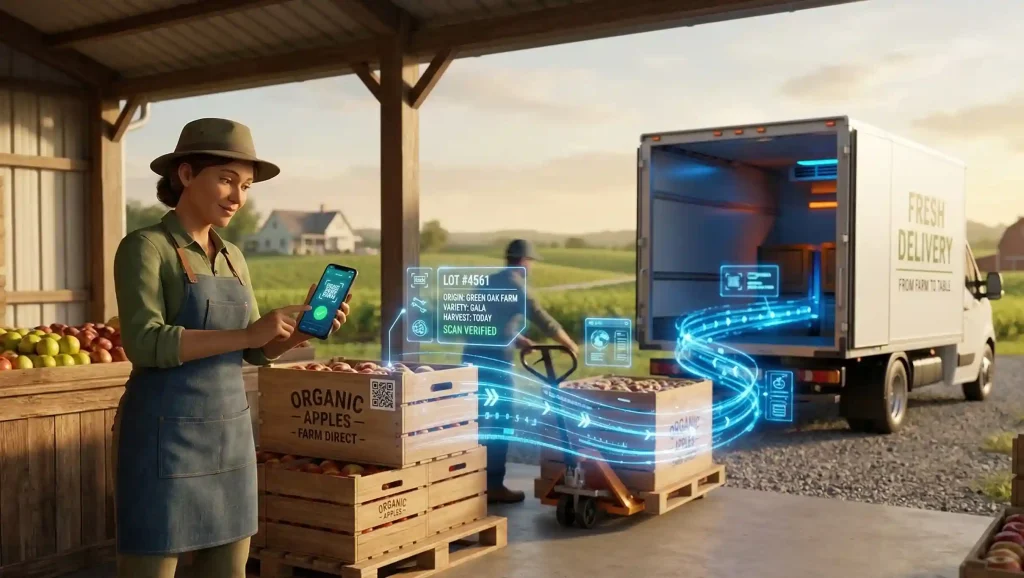
Summary: Agricultural traceability is becoming essential as EUDR increases pressure to prove product origin, compliance, and supply-chain history. Blockchain can create tamper-resistant provenance records connecting farms, batches, processors, logistics, and retailers. This blog explains how to design scalable farm-to-fork traceability, protect IoT sensor data integrity, calculate cost per scan ROI, build production-ready architecture, and move from a focused pilot to a measurable, commercially valuable solution while reducing operational and compliance costs.
Tokenizing Real Estate in 2026: What Actually Works and What Regulators Shut Down
Summary: Real estate tokenization in 2026 is moving beyond the hype of instant liquidity and blockchain-based property ownership. The most viable model connects real estate to a legally structured SPV, compliant investor interests, permissioned tokens, and regulated secondary markets. Blockchain can improve transparency, transfers, reporting, and automation, but it cannot replace property law or securities regulations. The biggest opportunity lies in combining compliant tokenization with AI, analytics, and automation to create more efficient, scalable, and intelligent real estate investment infrastructure.
Beyond Rule-Based: Scaling Your Business with Agentic RPA Bots
Summary: Agentic RPA goes beyond traditional rule-based automation by combining RPA with AI technologies such as machine learning, OCR, NLP, and autonomous agents. These intelligent bots can understand data, make decisions, adapt to changing situations, and continuously improve over time. Businesses are using Agentic RPA across healthcare, banking, customer support, logistics, and HR to automate complex workflows, improve efficiency, and reduce manual effort. As AI capabilities continue to advance, Agentic RPA is becoming a key driver of intelligent automation, helping organizations scale operations, lower costs, and create more flexible and autonomous business processes.
Enterprise-Grade Zapier: Security, SSO, and Governance for Big Teams
Summary: Enterprise-grade Zapier requires strong governance, security, and visibility to prevent Shadow IT, data leaks, and unmanaged automation at scale. Key practices include SSO and SAML for centralized authentication, SCIM for automated user management, app restrictions, custom data retention policies, SIEM integrations, and audit logging. Organizations should use shared ownership models, departmental quotas, and regular “Zombie Zap” audits to reduce risk and control costs. With proper governance, Zapier evolves from a simple productivity tool into a secure, enterprise-wide automation platform.
The Invisible Concierge: How Agentic AI is Redefining Travel in 2026
Summary:Blockchain is transforming the automotive industry in 2026 by creating tamper-proof digital records for vehicles, parts, and ownership. From preventing odometer fraud and counterfeit components to enabling smart maintenance, dynamic insurance, and secure autonomous driving, blockchain brings trust and transparency to every stage of a vehicle’s lifecycle. It also supports new regulations like the EU Battery Passport by tracking sourcing and sustainability data. The result is a safer, smarter, and more connected automotive ecosystem built on verified, decentralized information.
The End of the 3-Day Wait: Why Your Business Needs a Stablecoin Strategy in 2026
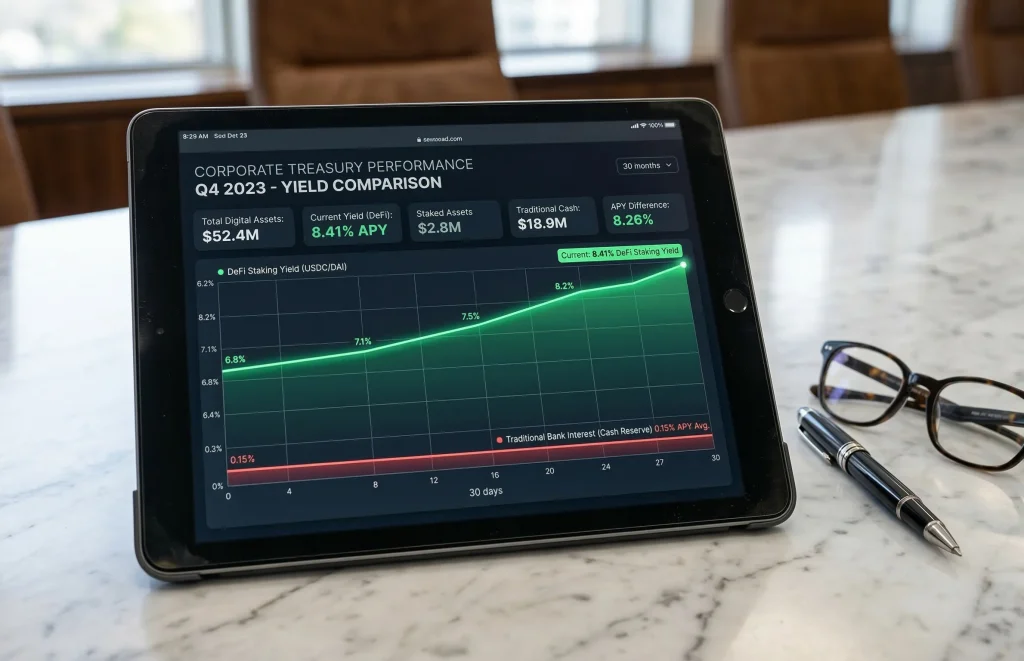
Summary: Stablecoins are transforming business payments in 2026 by enabling faster, cheaper, and more transparent global transactions. Companies can use stablecoin strategies to reduce banking delays, optimize treasury management through DeFi, improve compliance, and automate financial workflows. By integrating blockchain-based payment rails with existing software, businesses can unlock instant settlements, reduce trapped capital, and gain a competitive advantage in the new era of digital finance.
Breaking the $1M Barrier: How Real Estate Tokenization is Democratizing Property Investment in 2026
Summary: Real estate tokenization is transforming property investment by converting real estate assets into digital blockchain-based tokens that represent fractional ownership. This lowers entry barriers, improves liquidity, reduces reliance on intermediaries through smart contracts, and enables global investing from a smartphone. Modern regulations, KYC requirements, and legal structures have made tokenized real estate more secure and compliant than early crypto projects. As adoption grows, tokenization is creating a more transparent, accessible, and efficient property market, allowing broader participation in high-value real estate investments.
The Digital Harvest: How Blockchain is Securing the Future of Agriculture
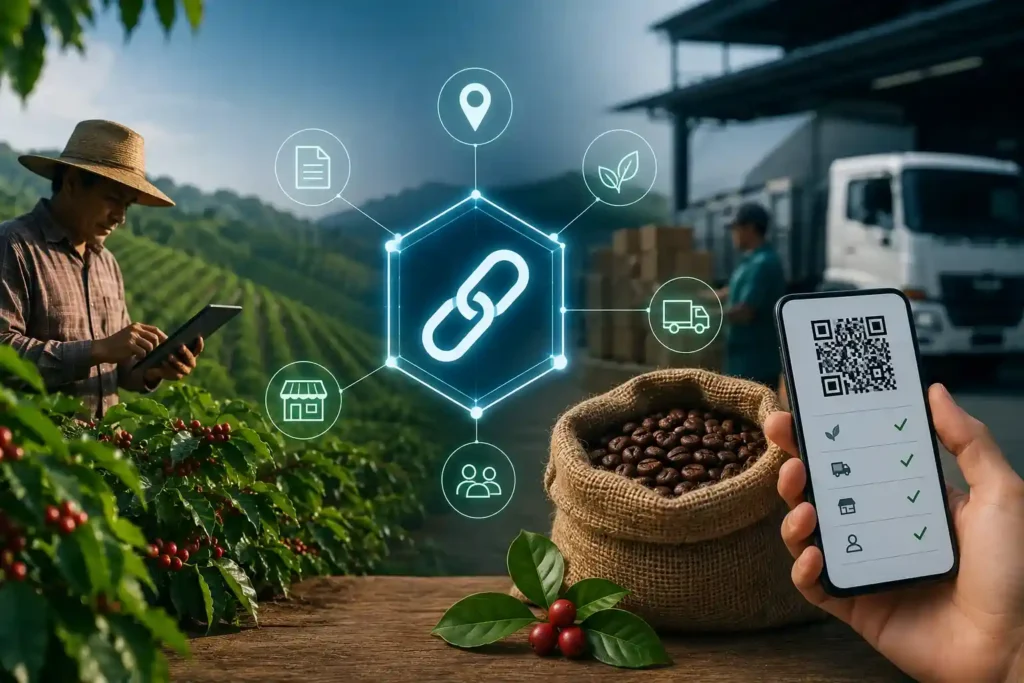
Summary: Blockchain is helping modernize agriculture by improving transparency, traceability, and trust across the food supply chain. By combining blockchain with IoT sensors, businesses can track products from farm to shelf, verify quality, reduce food waste, and meet growing sustainability regulations. Smart contracts enable faster payments for farmers and reduce reliance on intermediaries, while real-time data improves operational efficiency. As regulations tighten and consumers demand proof of ethical sourcing, blockchain provides a secure foundation for a more transparent, sustainable, and resilient agricultural industry.
Why Cloud Computing is the Secret to Modern Retail Growth
Summary: Cloud computing helps retailers grow by providing scalable, secure, and cost-effective infrastructure that adapts to changing business demands. It enables real-time inventory synchronization across online and physical stores, supports modern fulfillment options like click-and-collect, and improves customer experiences through faster, more reliable systems. Cloud platforms also strengthen data security, simplify compliance, and provide disaster recovery capabilities. By adopting a phased cloud migration strategy, retailers can reduce operational complexity, support future AI initiatives, and focus on delivering seamless shopping experiences that drive long-term growth.
Workflow Automation vs RPA: Choosing the Right Engine for Your Business Efficiency
Summary: Workflow Automation and RPA both improve efficiency but solve different problems. Workflow Automation connects modern cloud applications through APIs to streamline end-to-end business processes, while RPA mimics human actions within software interfaces, making it ideal for legacy systems without API access. Businesses should choose based on whether they need system integration or task emulation. In many cases, a hybrid approach delivers the best results by combining workflow orchestration with RPA execution. The key is matching the right automation tool to the business need.