

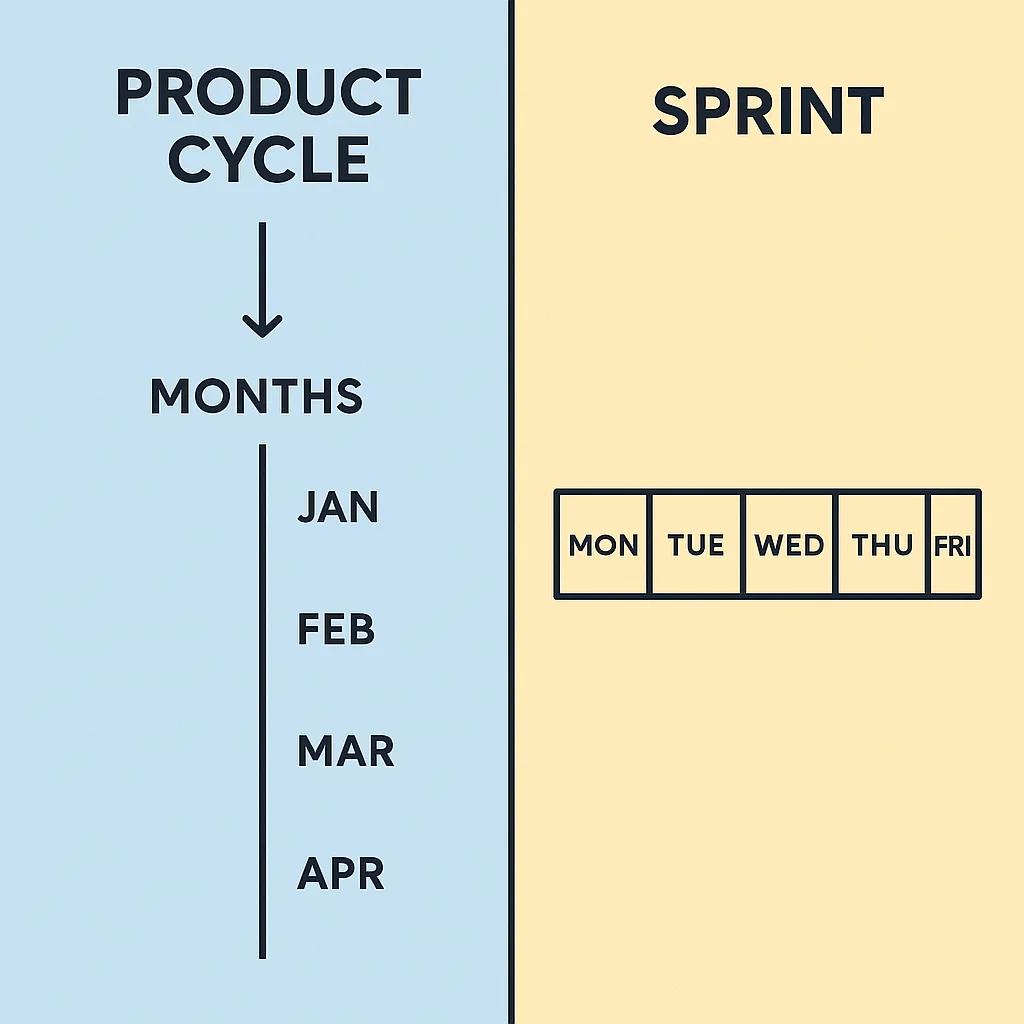
Product teams often face the same challenges. Projects take months to move forward, meetings stretch without clear outcomes, and important decisions keep getting delayed. The product design sprint was created to solve exactly that problem. Introduced at Google Ventures, it is a focused five day framework that helps teams turn early ideas into tested prototypes with clarity and speed.
Instead of investing months into building something uncertain, the product design sprint process condenses the work into a single week. Teams collect real feedback from users right away, validate ideas quickly, and move ahead with greater confidence.
How the Product Design Sprint Process Works
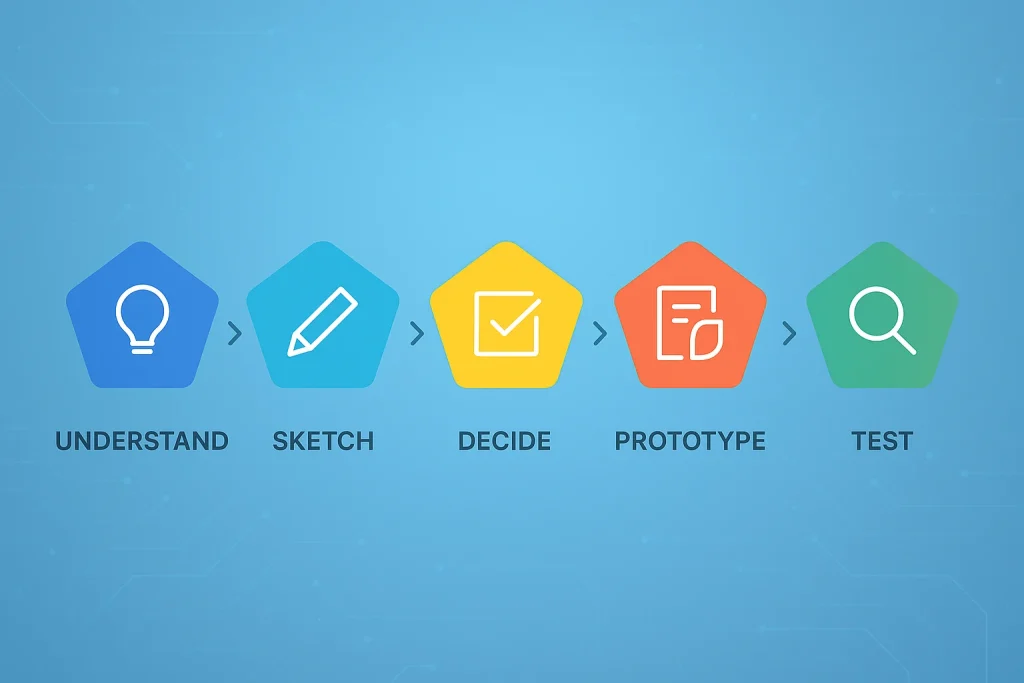
At its core, a design sprint guide gives teams a simple, repeatable roadmap they can follow whenever they need to move fast. If you are wondering how to run a product design sprint, here is what the process looks like in practice:
Understand the Problem
The sprint starts with the team coming together to agree on the goals and the challenge ahead. Everyone gets on the same page, which makes the rest of the process easier.
Sketch Solutions
Once the problem is clear, each person creates their own ideas. These sketches become the starting point for discussion and help bring in a wide range of perspectives.
Decide on the Best Approach
Next, the team reviews all ideas and votes on the one that seems most promising. This step builds quick alignment and ensures energy is focused on the right direction.
Build a Prototype
The chosen idea is turned into a prototype. It does not need to be perfect, just realistic enough for users to understand and interact with.
Test with Real Users
Finally, the prototype is tested with actual users. Their feedback shows what works, what does not, and what should change before moving forward.
Why Everyone is Talking About Generative UI
 The benefits of product design sprints go beyond speed:
Save months of time by validating concepts in just 5 days
Build team alignment and reduce wasted discussions
Lower risk of investing in the wrong features
Stay focused on real user needs
Create a culture of experimentation and learning
In fact, research shows that teams using design sprints can condense months of effort into a single week, accelerating product validation and reducing wasted resources (Adaptovate).
Key Benefits of Generative UI for Developers and Businesses
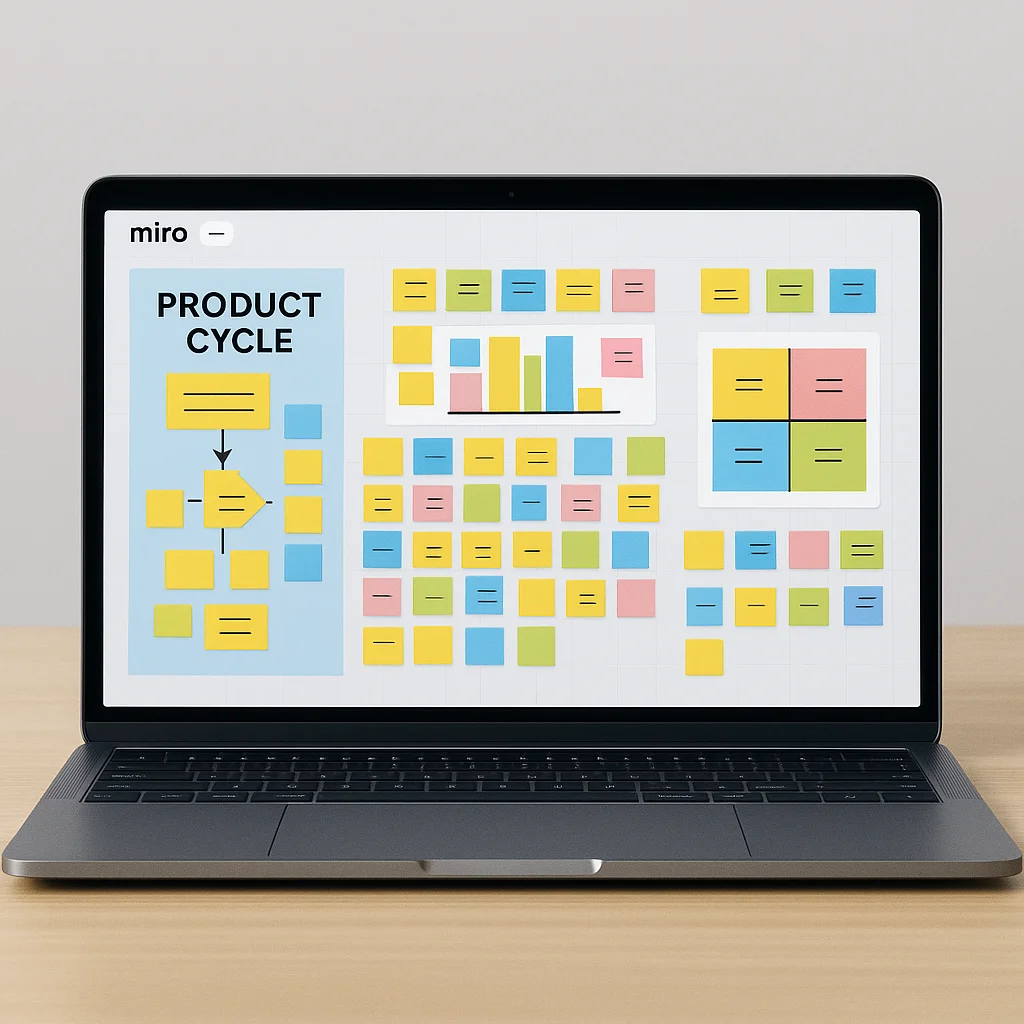
Running a sprint is easier with the right tools. Modern design sprint guides often use collaborative platforms like:
Miro & MURAL for digital whiteboarding
Figma for rapid prototyping
Notion or Google Docs for tracking notes and decisions
Common templates include:
Problem-mapping worksheets
Sketching and solution boards
Storyboarding templates
User testing scripts
Productivity Stats from Design Sprints
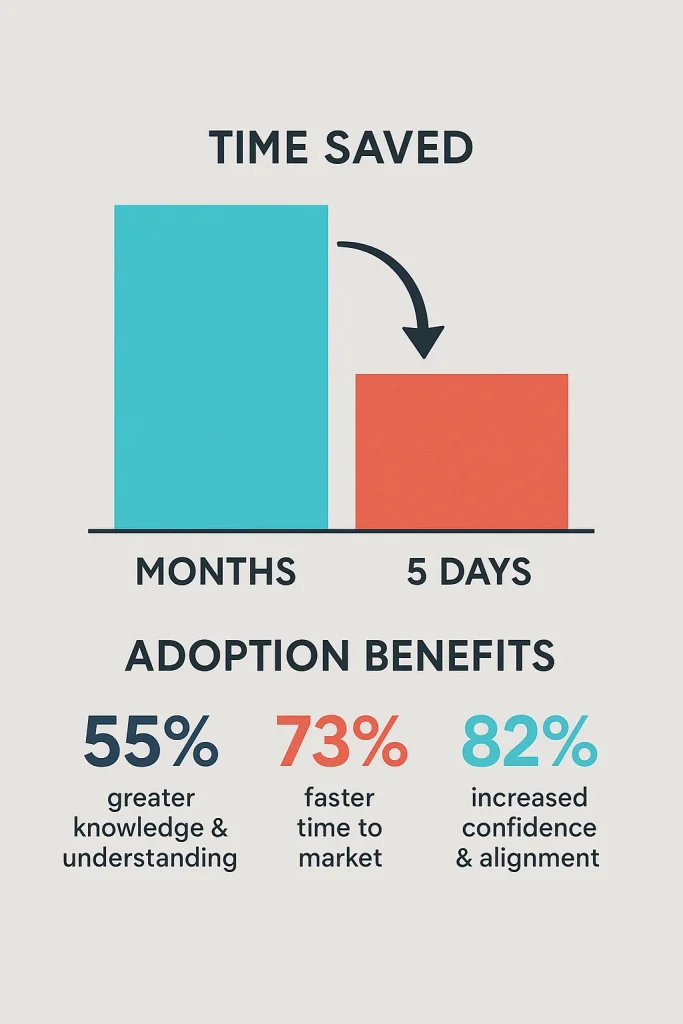
- Design sprints help companies condense months of work into one week, dramatically accelerating product validation.
- SMEs reported a 19% increase in sprint understanding and a 12% improvement in sprint implementation after adoption.
Challenges and Criticism Nobody Talks About
While powerful, the product design sprint process isn’t without limits:
Compressing complex problems into 5 days can feel rushed
Requires full-time commitment from stakeholders
Without skilled facilitation, discussions can drift off track
Not ideal for every type of project (e.g., deep technical R&D)
Critics argue that sprints may oversimplify big challenges. Still, when used for the right scope, they remain one of the fastest ways to validate ideas.
The Future of Design Sprints – What’s Next?
Since its introduction, the Google product design sprint has evolved. Teams now adapt it into “mini sprints” lasting 2–3 days, or blend sprint principles into agile workflows. As industries adopt AI-driven tools, parts of the sprint (like prototyping or user testing) are becoming even faster.
Instead of debating ideas endlessly, companies can now design, prototype, and test in days — a competitive advantage in markets that move quickly.
And here’s the truth: teams that begin adopting design sprints now will be the ones setting the benchmark for faster innovation tomorrow. A product design sprint is more than a framework, it’s a mindset shift toward building with speed, clarity, and real user feedback. If you’re ready to bring this approach into your own projects, explore our Design Sprint and UI/UX Design services to see how we can help turn your ideas into tested, user-approved solutions.
Build custom AI solutions that deliver real business value
From strategy to deployment, we help you design, develop, and scale AI-powered software that solves complex problems and drives measurable outcomes.