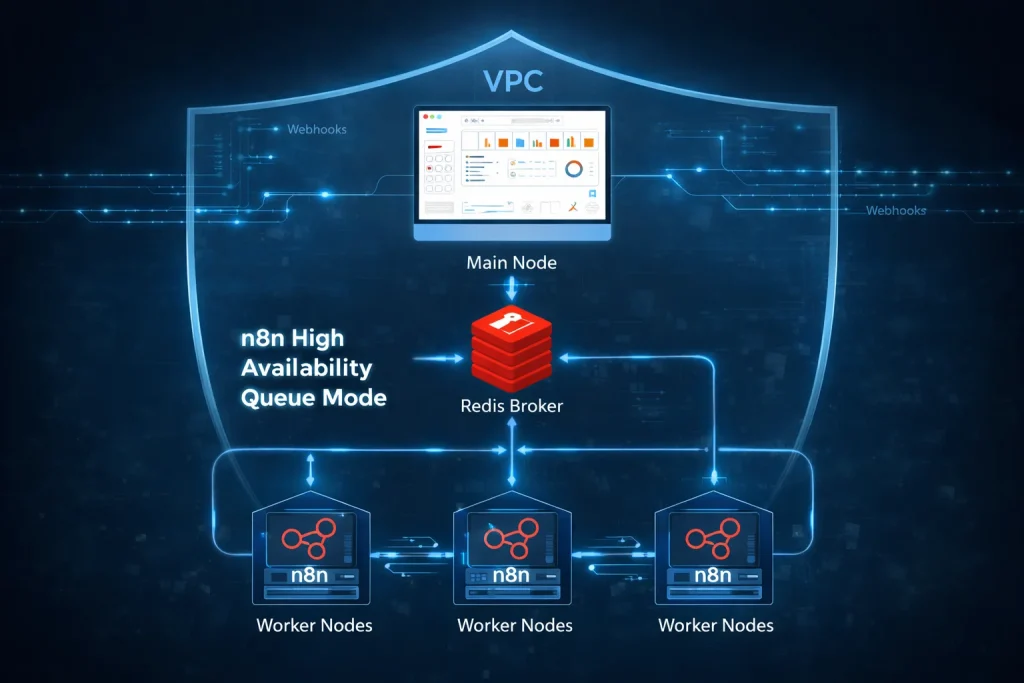
Summary: In 2026, businesses are increasingly self-hosting n8n to gain full control over their data, security, and automation workflows. Self-hosting improves privacy, supports compliance with regulations like HIPAA and GDPR, reduces vendor dependency, and protects sensitive information through encryption, network isolation, and monitoring. With scalable architectures such as Queue Mode, organizations can build reliable, secure, and high-performance automation systems while maintaining complete ownership of their business logic and customer data.
Beyond Simple Triggers: Building Self-Thinking AI Agents in n8n
Summary:
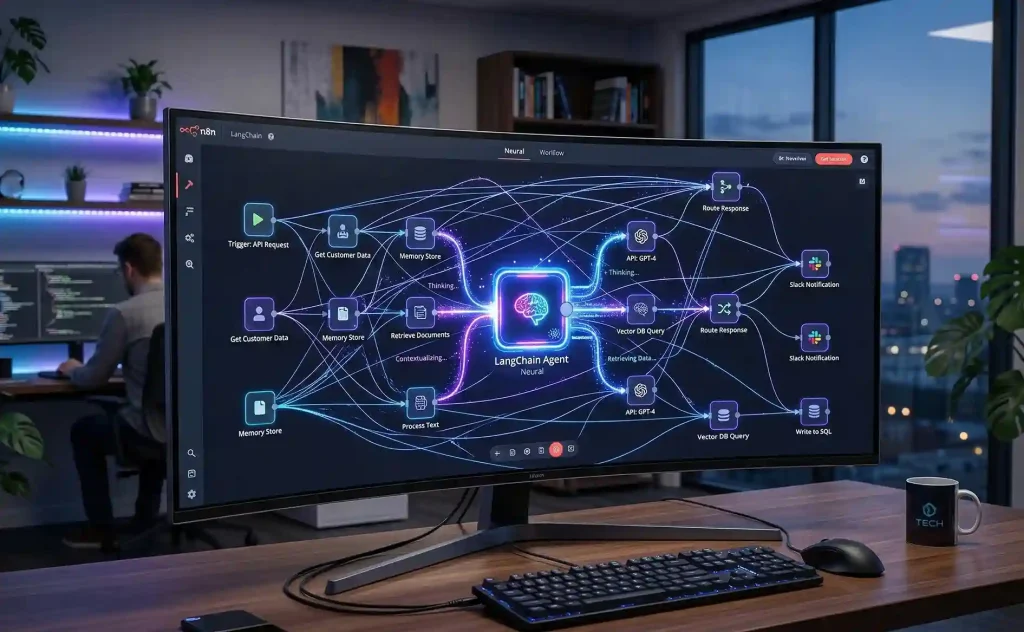
2026 is the year automation gets smarter. Instead of following rigid rules, n8n AI agents can think, remember, adapt, and take action using tools like LangChain and RAG. With multi-agent systems, human approval checkpoints, and cost controls, businesses can build intelligent workflows that reliably handle complex tasks. The future isn’t just about automating processes; it’s about creating digital brains that learn, reason, and scale with your business.
Stop Overpaying: Why n8n is the “Zapier-Killer” of 2026
Summary: Zapier is great for getting started, but as your business grows, its task-based pricing can become expensive. This blog explains why many companies are switching to n8n in 2026 for lower costs, greater flexibility, stronger AI capabilities, and full control over their data. With visual debugging, self-hosting options, advanced workflow logic, and native AI orchestration, n8n is built for scale. For businesses running thousands of automations, it offers a smarter, more affordable way to automate, innovate, and grow without limits.
The Invisible Concierge: How Agentic AI is Redefining Travel in 2026
Summary:Blockchain is transforming the automotive industry in 2026 by creating tamper-proof digital records for vehicles, parts, and ownership. From preventing odometer fraud and counterfeit components to enabling smart maintenance, dynamic insurance, and secure autonomous driving, blockchain brings trust and transparency to every stage of a vehicle’s lifecycle. It also supports new regulations like the EU Battery Passport by tracking sourcing and sustainability data. The result is a safer, smarter, and more connected automotive ecosystem built on verified, decentralized information.
The Deepfake Defense: How to Protect Your Brand’s Voice in an AI World
Summary: Deepfakes have become a major cybersecurity threat in 2026, enabling attackers to impersonate executives, manipulate public perception, and steal sensitive information. Organizations must adopt AI-powered detection, LLM observability, digital watermarking, and C2PA content authentication to verify media authenticity and prevent fraud. Industries such as healthcare face heightened risks due to regulatory and data privacy concerns. By implementing zero-trust security, monitoring AI-generated content, and establishing trusted sources of verified media, businesses can protect their reputation, maintain customer trust, and defend against evolving AI-driven threats.
The End of the 3-Day Wait: Why Your Business Needs a Stablecoin Strategy in 2026
Are you pasting sensitive data into public AI tools? Learn the massive security and compliance risks of “Shadow AI” and how to protect your data.
Breaking the $1M Barrier: How Real Estate Tokenization is Democratizing Property Investment in 2026
Summary: Real estate tokenization is transforming property investment by converting real estate assets into digital blockchain-based tokens that represent fractional ownership. This lowers entry barriers, improves liquidity, reduces reliance on intermediaries through smart contracts, and enables global investing from a smartphone. Modern regulations, KYC requirements, and legal structures have made tokenized real estate more secure and compliant than early crypto projects. As adoption grows, tokenization is creating a more transparent, accessible, and efficient property market, allowing broader participation in high-value real estate investments.
Closing the Security Gap: A Law Firm’s Guide to Modern Cloud Infrastructure and Compliance
Summary: Law firms face rising cybersecurity threats in 2026, including ransomware, AI-driven phishing, and stricter compliance requirements. Modern cloud infrastructure helps protect sensitive client data through Zero Trust security, passwordless authentication, automated compliance, and continuous monitoring. AI-powered legal assistants improve efficiency but must operate within secure environments to maintain confidentiality. By implementing security audits, phishing-resistant MFA, endpoint protection, and governance frameworks, firms can reduce risk, meet regulatory obligations, strengthen client trust, and safeguard their reputation while becoming more efficient and resilient in an increasingly digital legal landscape.
The Digital Harvest: How Blockchain is Securing the Future of Agriculture
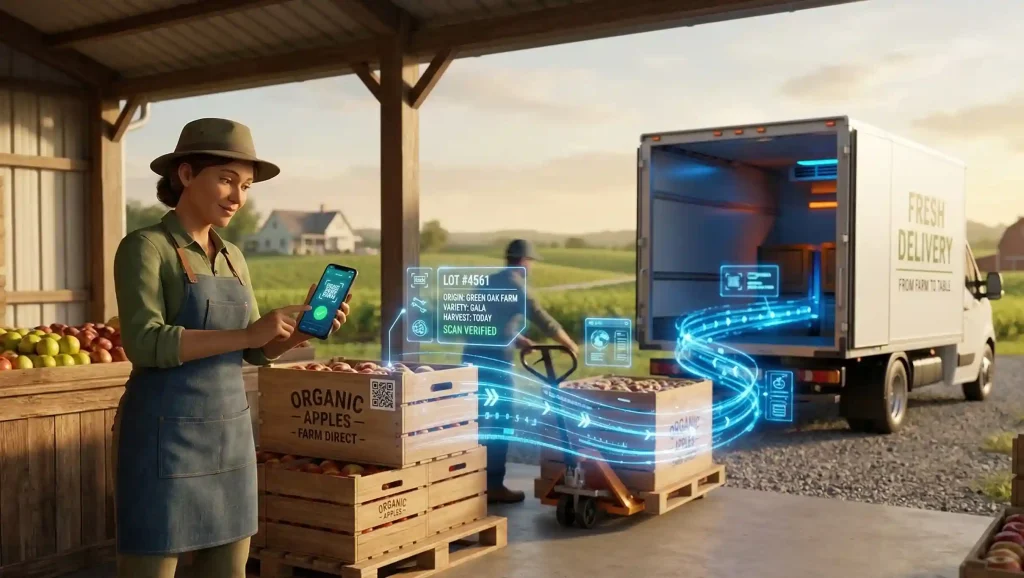
Summary: Blockchain is helping modernize agriculture by improving transparency, traceability, and trust across the food supply chain. By combining blockchain with IoT sensors, businesses can track products from farm to shelf, verify quality, reduce food waste, and meet growing sustainability regulations. Smart contracts enable faster payments for farmers and reduce reliance on intermediaries, while real-time data improves operational efficiency. As regulations tighten and consumers demand proof of ethical sourcing, blockchain provides a secure foundation for a more transparent, sustainable, and resilient agricultural industry.
Why Cloud Computing is the Secret to Modern Retail Growth
Summary: Cloud computing helps retailers grow by providing scalable, secure, and cost-effective infrastructure that adapts to changing business demands. It enables real-time inventory synchronization across online and physical stores, supports modern fulfillment options like click-and-collect, and improves customer experiences through faster, more reliable systems. Cloud platforms also strengthen data security, simplify compliance, and provide disaster recovery capabilities. By adopting a phased cloud migration strategy, retailers can reduce operational complexity, support future AI initiatives, and focus on delivering seamless shopping experiences that drive long-term growth.