Summary: AI is reshaping the FinTech industry by enabling smarter decision-making, real-time fraud detection, personalized banking, and automated financial operations. Machine learning helps institutions improve risk management, lending, payments, and customer experiences. Generative AI further enhances finance through automated reports, intelligent chatbots, and market analysis. As AI adoption grows, financial organizations can deliver faster, safer, and more efficient services while creating new opportunities for innovation and transforming how people interact with money.

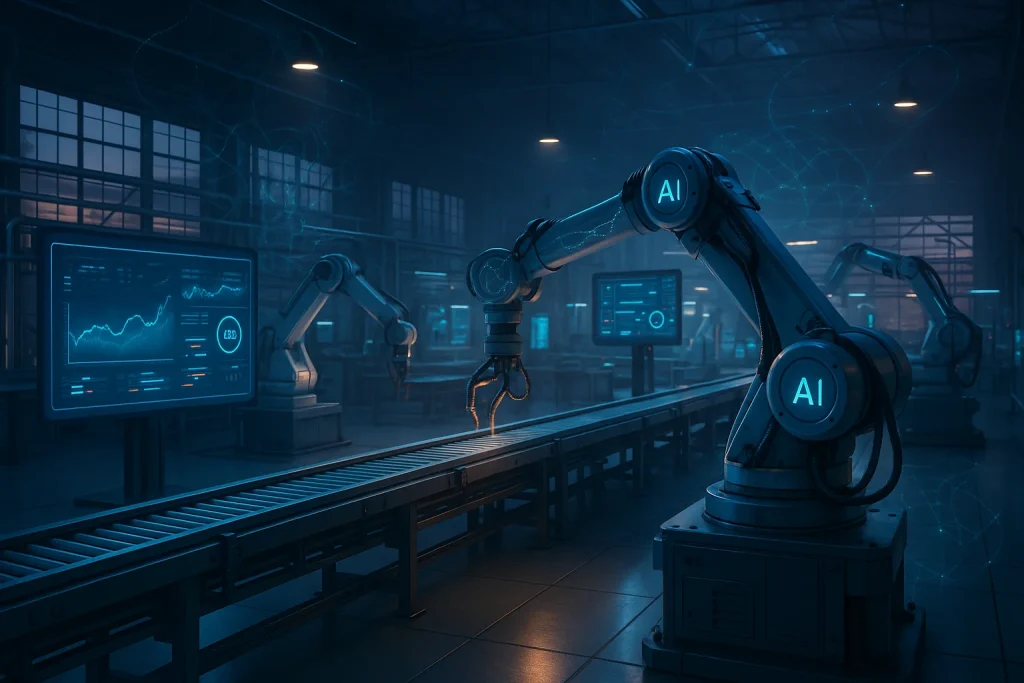
AI in Manufacturing: The Secret Weapon Driving Massive ROI & Cutting Downtime
Summary: AI is transforming manufacturing by turning traditional factories into intelligent, data-driven ecosystems. Through predictive maintenance, computer vision, generative design, and autonomous AI agents, manufacturers can reduce downtime, improve quality, optimize resources, and achieve higher ROI. While challenges like data quality, legacy systems, and skill gaps remain, businesses that adopt AI strategically can build smarter, faster, and more resilient operations. The future of manufacturing lies in self-optimizing factories powered by AI, IoT, and real-time insights.
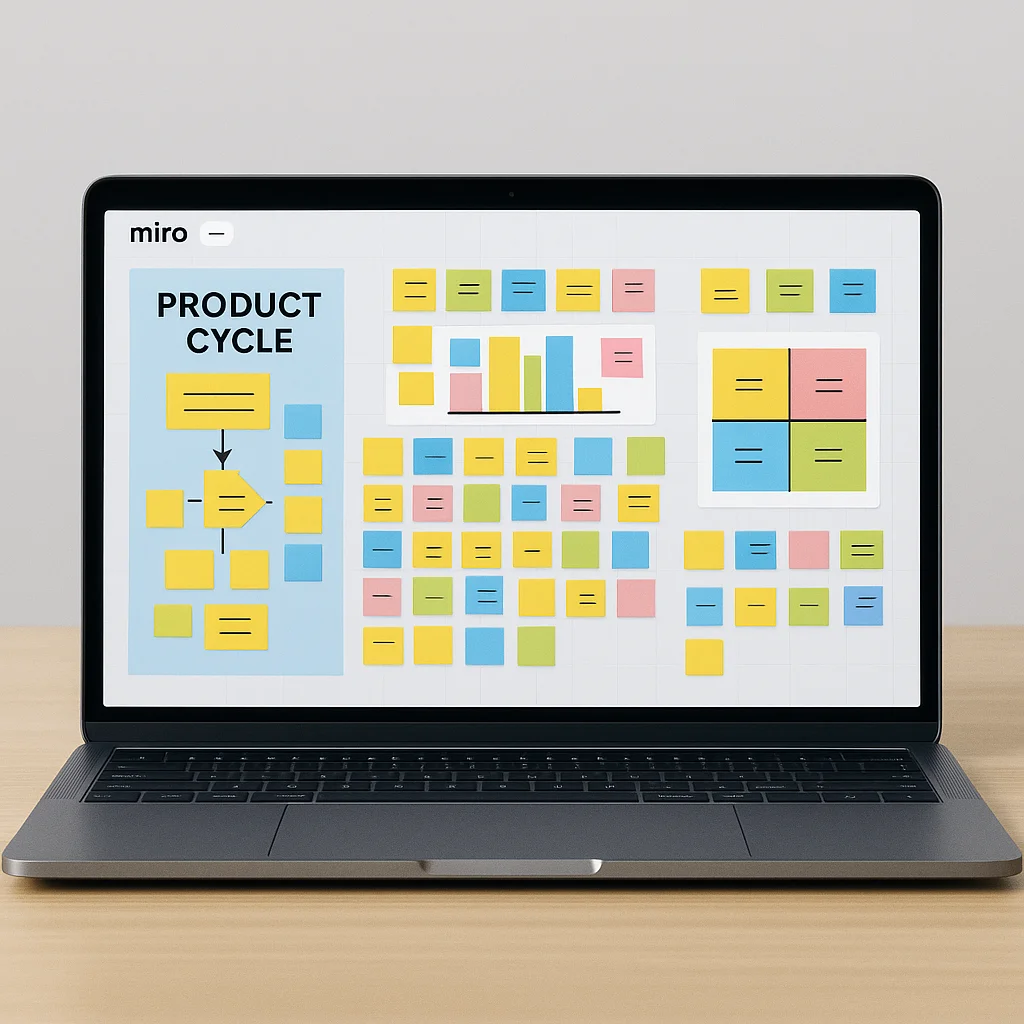
The Complete Guide to the Product Design Sprint Process
Summary: A product design sprint is a structured five-day process that helps teams validate ideas quickly through problem definition, solution sketching, prototyping, and user testing. It reduces development risk, improves collaboration, and speeds up decision-making by gathering real user feedback before full-scale development. While design sprints require dedicated participation and may not suit every project, they remain an effective way to accelerate innovation, reduce wasted effort, and build products that better meet user needs.
Generative UI – The Future of Intelligent Interfaces
Summary: Generative UI uses AI to create adaptive, user-focused interfaces, reducing design time and accelerating product development. It enables faster prototyping, greater personalization, and lower development costs while allowing designers to focus on strategy and creativity. Although concerns around security, generic designs, and over-reliance on AI remain, human oversight is essential. As AI becomes embedded in design tools, Generative UI is set to redefine how modern digital experiences are built.
Vibe Coding: The New Language of AI-Powered Programming
Summary: Vibe coding is changing software development by using AI as a collaborative coding partner instead of focusing on manual syntax. Developers can describe ideas in natural language, refine AI-generated code, and build applications faster while staying focused on problem-solving. Tools like GitHub Copilot, Cursor, and Replit accelerate development, but human review remains essential for quality and security. As AI advances, vibe coding is set to become a standard approach to modern software development.
Real-World AI in Action: 10 AI Business Use Cases You Need to Know
Summary: AI is transforming businesses across industries by automating processes, improving decision-making, and delivering personalized customer experiences. From customer service and healthcare to finance, manufacturing, logistics, and cybersecurity, AI helps organizations increase efficiency, reduce costs, and drive innovation. While successful adoption requires careful attention to data privacy, ethics, and skilled oversight, businesses that start implementing AI strategically today will gain a significant competitive advantage and be better prepared for future growth.
GPT 4 vs GPT 5 – Innovations, Improvements & Real-World Impact
Summary: GPT-5 builds on GPT-4 with stronger reasoning, a larger context window, faster performance, improved multilingual support, and lower hallucination rates. It introduces advanced reasoning capabilities, better instruction following, enhanced multimodal processing, and greater efficiency for coding, healthcare, and enterprise applications. With improved safety features and flexible model variants, GPT-5 delivers more accurate, reliable, and scalable AI solutions, making it a significant advancement for businesses, developers, and everyday users.
Generative AI for Marketing – Proven Trends & Effective Strategies
Summary: Generative AI is transforming marketing by automating content creation, producing visuals and videos, personalizing customer experiences, improving SEO, and optimizing ad campaigns. It helps businesses work faster, reduce costs, and make data-driven decisions while increasing engagement and ROI. The best results come from combining AI’s speed and scalability with human creativity, strategic oversight, and brand expertise. Organizations that adopt AI thoughtfully today will gain a lasting competitive advantage in digital marketing.
Generative AI 101: What It Is and Why It Matters
Summary: Generative AI is transforming how people create, innovate, and solve problems by generating original text, images, code, music, and more. Unlike traditional AI, it learns patterns from vast datasets to produce new content, helping businesses boost productivity, reduce costs, and unlock creativity. While challenges like bias, accuracy, and ethical concerns remain, generative AI is becoming a powerful tool across industries, making it essential for anyone looking to innovate and stay competitive.
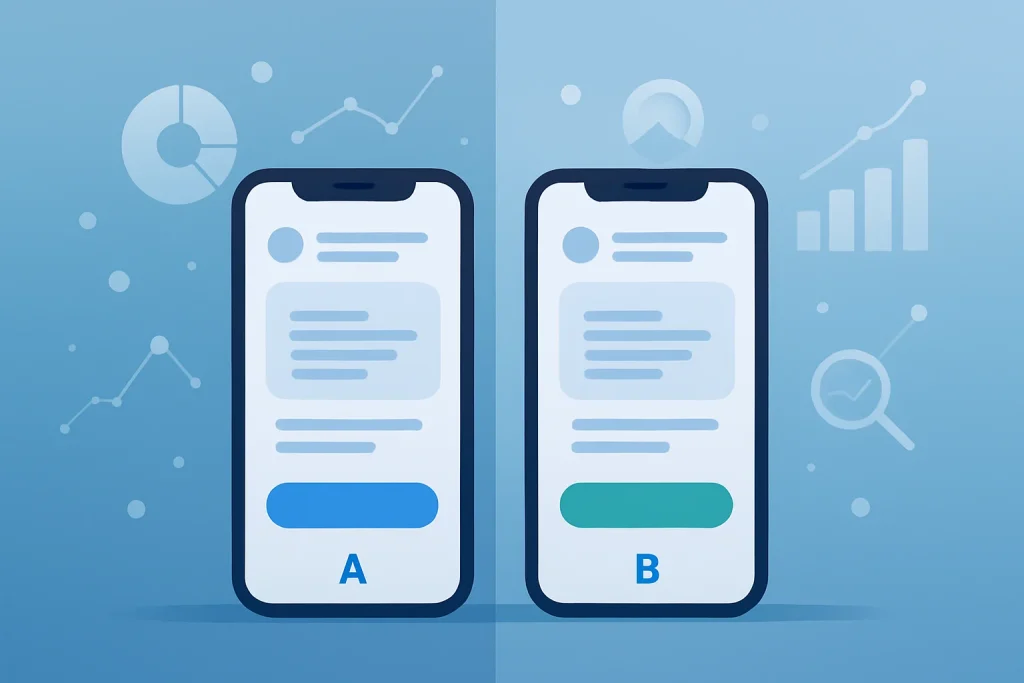
Powerful Mobile Design Elements That You Have to A/B Test
Summary: A/B testing helps mobile teams replace guesswork with data by identifying which design choices improve usability and engagement. Testing key elements such as iconography, button placement, color schemes, typography, and navigation flows reveals what works best for users. Through continuous iteration and real user feedback, teams can create more intuitive, efficient, and user-friendly mobile experiences. Small design improvements, backed by testing, lead to better performance, higher satisfaction, and stronger business outcomes.