Summary: A/B testing helps mobile teams replace guesswork with data by identifying which design choices improve usability and engagement. Testing key elements such as iconography, button placement, color schemes, typography, and navigation flows reveals what works best for users. Through continuous iteration and real user feedback, teams can create more intuitive, efficient, and user-friendly mobile experiences. Small design improvements, backed by testing, lead to better performance, higher satisfaction, and stronger business outcomes.

Complexion Reduction: The Defining Mobile Design Trend of 2025
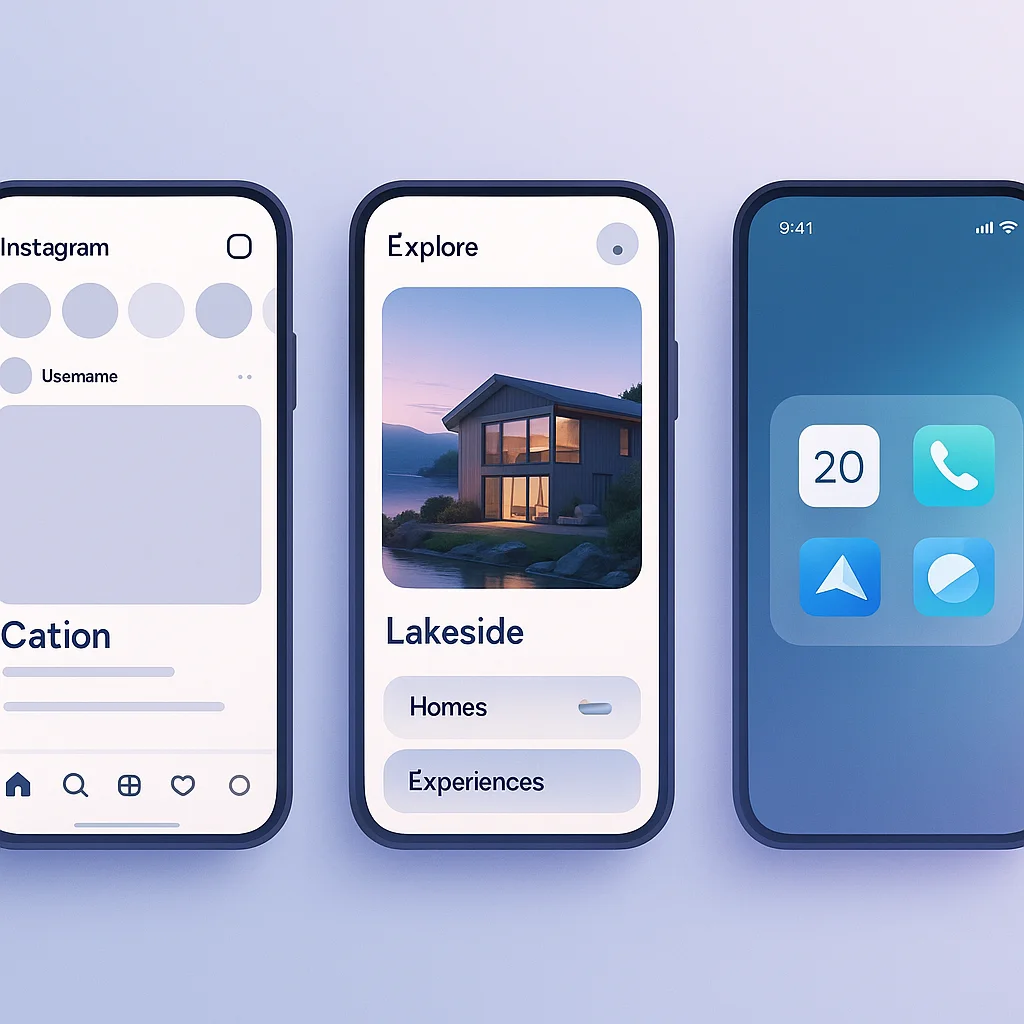
Summary: Complexion Reduction is a 2025 mobile design trend that takes minimalism further with bold typography, simple icons, limited colour, and generous whitespace. Inspired by redesigns from Instagram, Airbnb, and Apple, it reduces cognitive load and helps users navigate apps more efficiently. By focusing on clarity and usability over visual clutter, this approach creates cleaner, faster, and more intuitive user experiences while giving brands a modern, polished digital presence.
Icons in UX Design: Making Them Work for Users
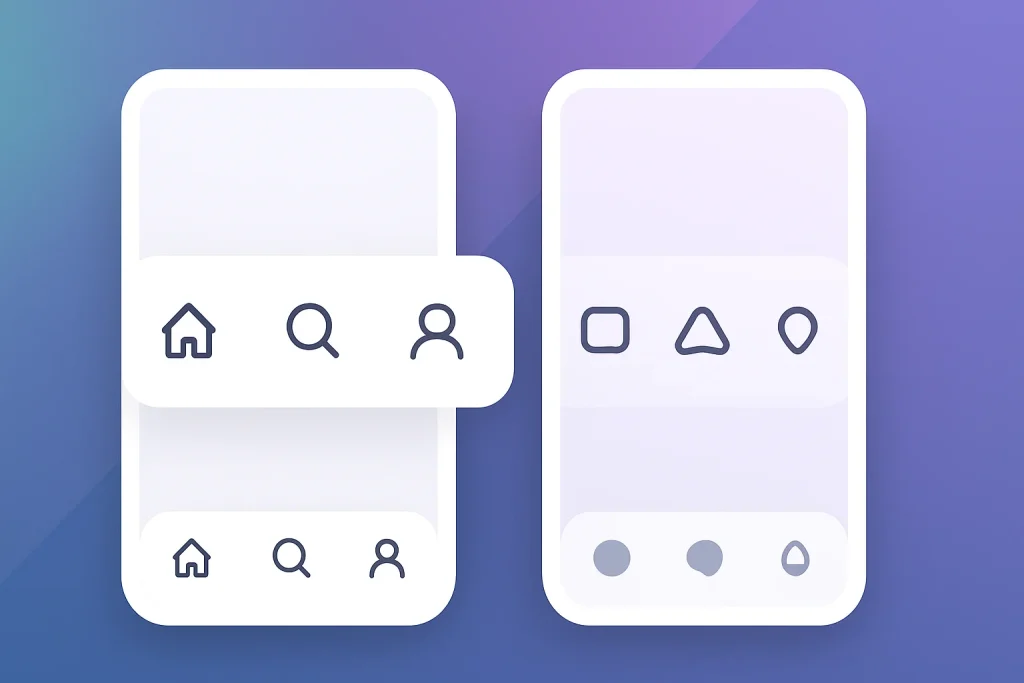
Summary: Icons play a vital role in UX design by saving space, improving recognition, and creating cleaner interfaces. However, poorly designed or unfamiliar icons can confuse users and increase friction. Universal symbols work best, but many icons require supporting labels for clarity. User testing shows that combining icons with text improves understanding significantly. Effective UX icons should be simple, consistent, and intuitive; helping users complete tasks without unnecessary guessing.