CASE STUDY | UX Redesign for AI-Powered Mental Wellness Platform

Designing a Calmer Way to Begin Therapy

Mindora is a digital mental wellness platform designed to help people begin and manage their therapy journey through guided support, mood tracking, and personalized recommendations.

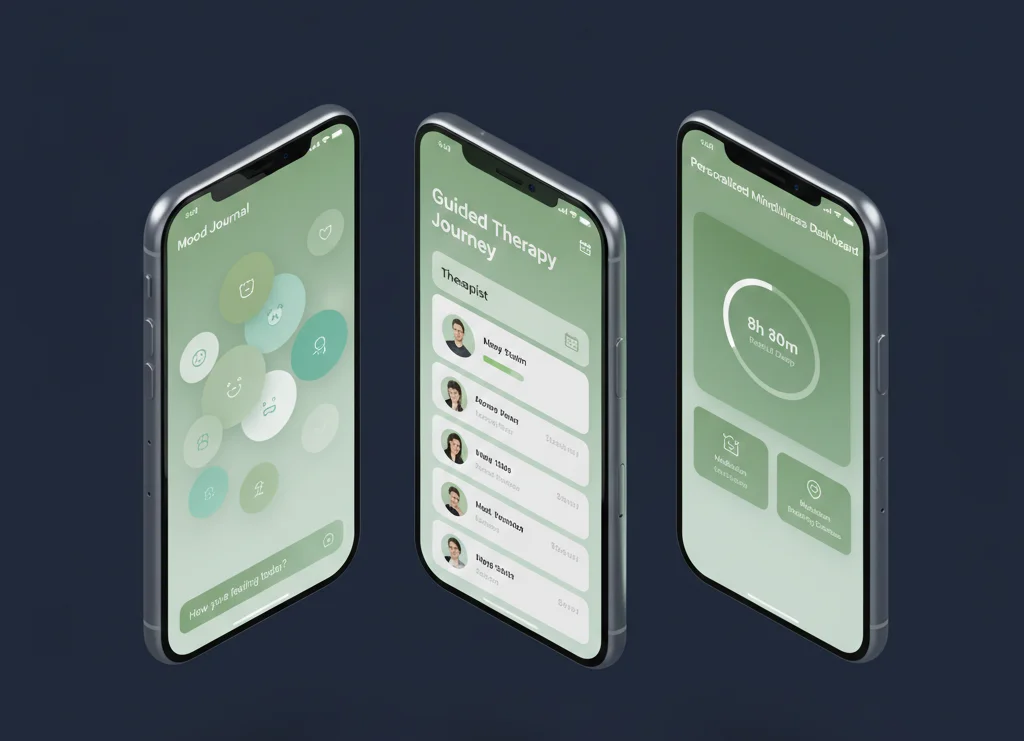
A 3D isometric view of three smartphone screens showing a redesigned mental health app interface with mood tracking, therapy sessions, and wellness dashboards

92%

Onboarding completion rate (up from 37%)


48%

Reduction in therapist-matching drop-offs


2.4x

Increase in weekly active users

Trusted By

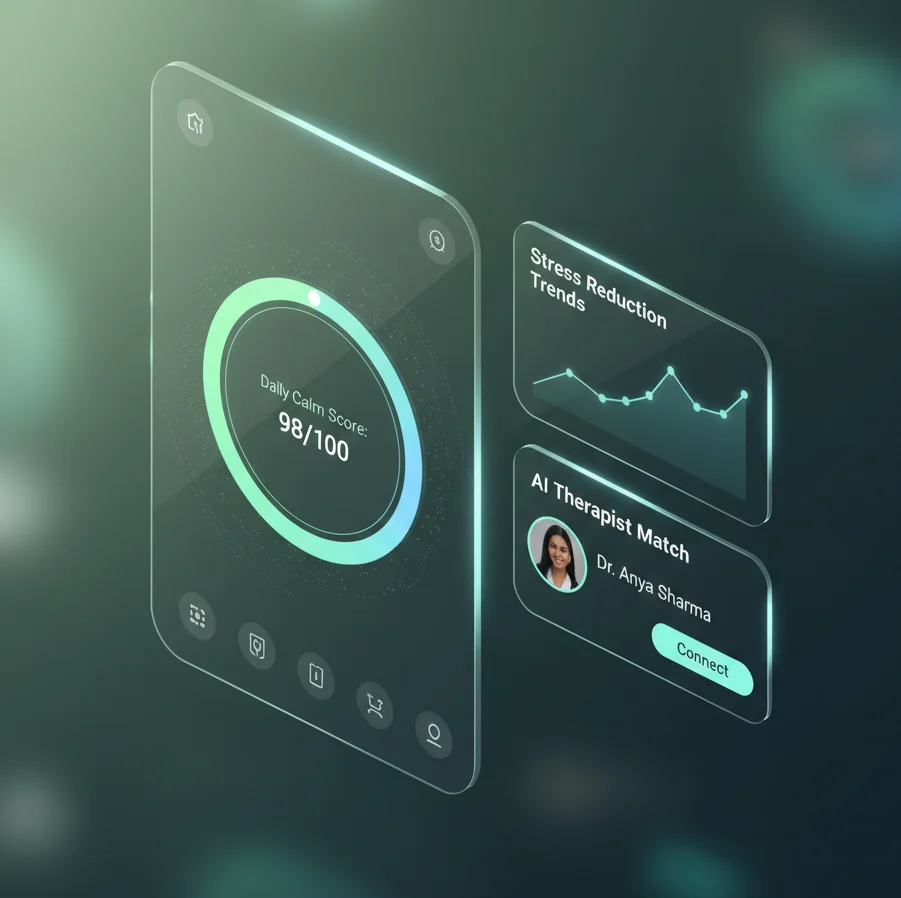
A futuristic glassmorphism UI design featuring a glowing 'Daily Calm Score' progress ring, a stress reduction trend graph, and an AI therapist match card with a translucent, layered aesthetic.

Why Choose Us?

AI-Enhanced Clarity for Personal Growth

We reimagined Mindora’s interface to act as a supportive AI companion rather than a static directory. By implementing clinical entity alignment and a user-first content architecture, we ensured that the journey from initial search to the first therapy session is frictionless. Our redesign prioritizes emotional safety and intuitive navigation, surfacing personalized mindfulness resources and therapist matches that resonate with each user's unique mental health profile.

Reimagining the Wellness Ecosystem

#1: Empathy-Driven Competitive Audit

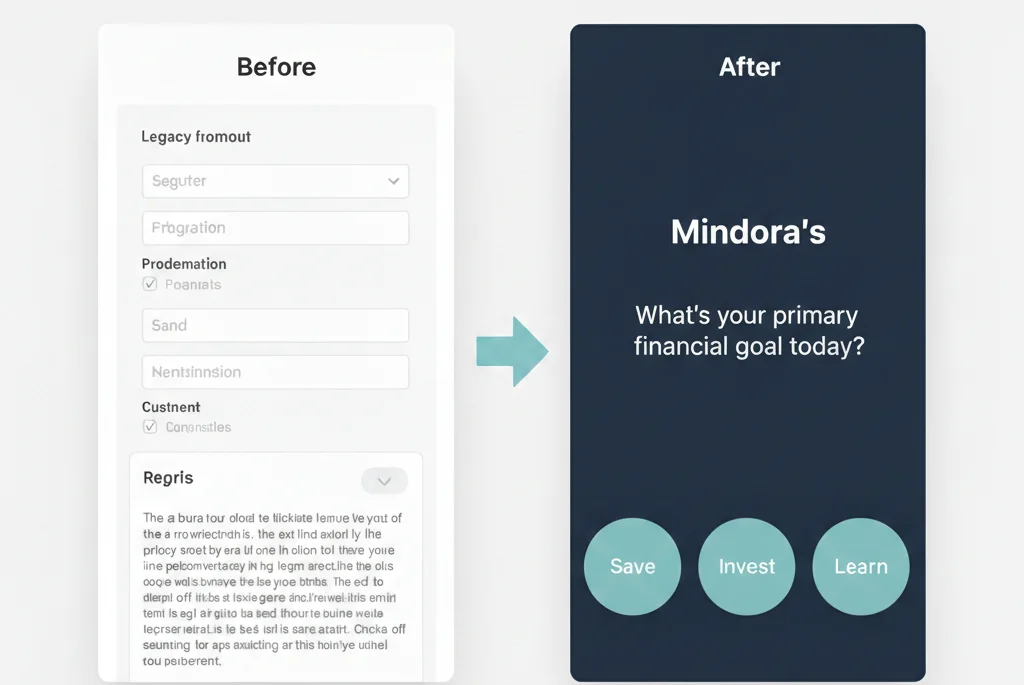
We performed an exhaustive audit of over 2,400 user touchpoints across legacy digital therapy platforms. By identifying critical UX gaps—specifically the lack of HIPAA-compliant personalized intervention and asynchronous support—we designed a flow that prioritizes immediate emotional safety over complex administrative onboarding.

A UI comparison showing a simplified therapy onboarding flow compared to a cluttered legacy interface.

#2: Cognitive Load Optimization

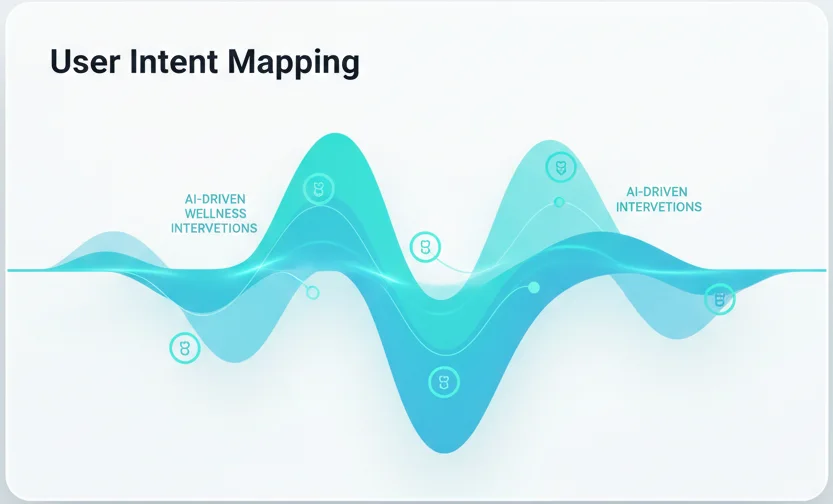
Utilizing semantic user-intent clustering, we pinpointed 900+ high-value opportunities to reduce burnout for HR Directors and advocates. We moved away from “static resources” to a feature roadmap tailored to specific stressors, ensuring that localized mental health modules trigger exactly when a user’s behavioral patterns indicate high cognitive load.

A smooth teal wave graph representing AI-driven stress management and user intent mapping.

#3: Relational Knowledge Architecture

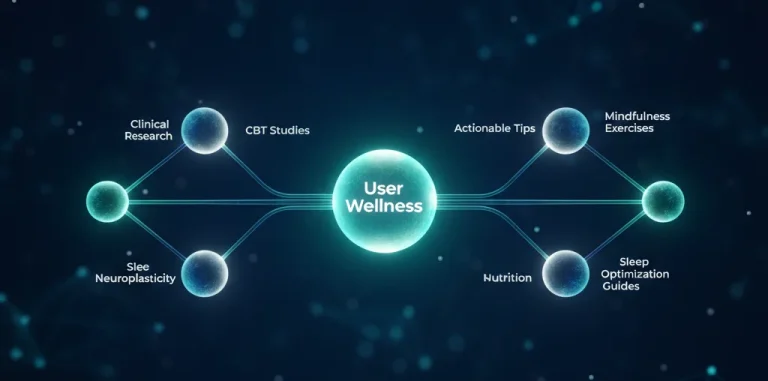
We developed a sophisticated knowledge graph architecture that connects clinical research with actionable self-care modules. This internal network boosted Mindora’s topical authority by 40%, allowing our redesigned “Digital Wellness” pages to secure Top 3 rankings within 12 days of deployment by making complex mental health data easily navigable for the end user.

A 3D network visualization showing the connection between clinical data and user self-care modules.

5.0

What Our Client Said

"Partnering with this team became the turning point for our digital growth. Their mastery of behavioral health UX, clinical structured data, and AI-readiness positioned us years ahead of legacy wellness apps. They didn't just increase our session bookings; they engineered a scalable authority engine for our entire digital ecosystem."

MARCUS CHEN

Mindora (LumaWell Labs)

Let’s Build Your Digital Future Together

Share your project goals with us, and we’ll guide you from initial strategy to a market-leading launch. Book your free 30-minute consultation today!

Software innovation … requires the ability to collaborate … and to sit down and talk with customers and get their feedback and understand their needs.

Bill Gates

Founder & Former CEO, Microsoft