Buying a building or a house is a massive headache, and that’s being polite. Here’s the thing: real estate is stuck in the past. If you want to invest in a commercial property today, you usually need millions of dollars sitting in the bank just to get a seat at the table. It’s a “rich person’s game,” and that hasn’t changed in decades.
But the money isn’t the only issue. Once you buy into a property, your cash is basically trapped. You can’t just sell a piece of a skyscraper on a Tuesday afternoon because you have an emergency or found a better place to put your money. It takes months of paperwork, endless back-and-forth with lawyers, and a pile of transaction fees to move one property from one owner to another.
You also have the issue of “hidden” data. Most of the time, the history of a building—who owned it, what repairs were done, and what the actual rental income looks like—is tucked away in private filing cabinets or old spreadsheets. This makes it hard for a new buyer to know exactly what they are getting into without spending a fortune on “due diligence” teams. It’s a slow, expensive process that keeps the average person out and makes the market inefficient for the people already in it.
What is Tokenization?
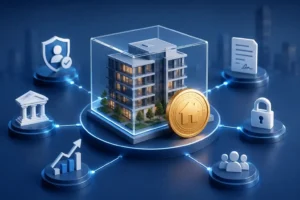
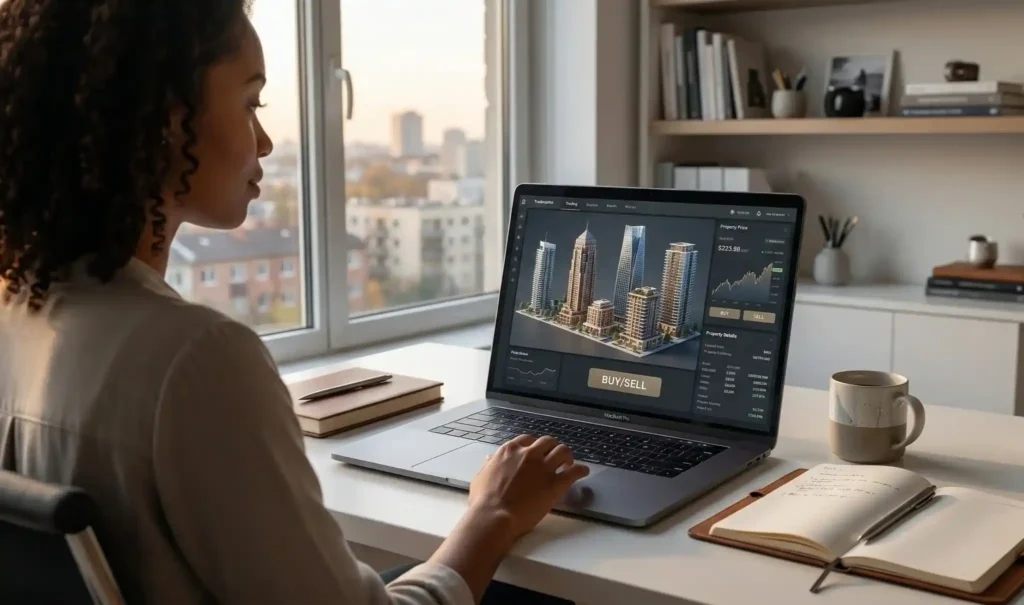
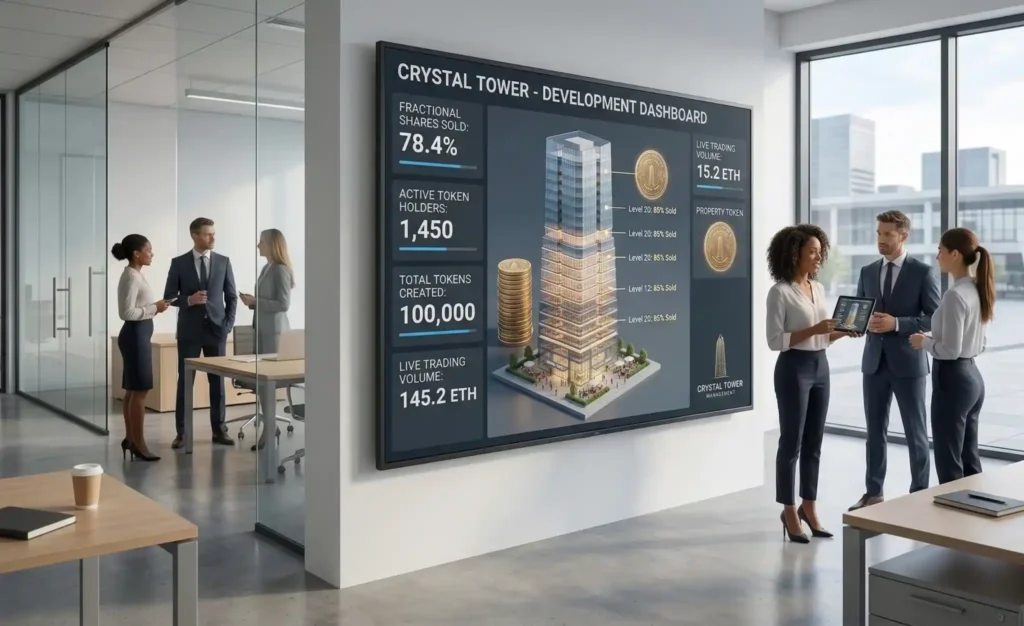
So, how do we actually fix a $300 trillion market that’s stuck in the mud? We turn the physical bricks into digital shares. This is what we call tokenization. Think of it like this: instead of one person or one massive bank owning a $10 million apartment complex, we break that building into 10,000 digital tokens. Each token is worth $1,000 and represents a real piece of that property.
Now, anyone with a bit of savings can own a piece of a high-value asset. These tokens live on a blockchain, which is really just a digital ledger that everyone can see but nobody can secretly change. It’s a way to prove you own a part of the building without needing a physical paper deed that can get lost or forged.
The real shift here is that these tokens are “liquid”. Because they are digital, you can sell them much faster than a whole building. If you own 10 tokens and you need $2,000, you can sell just two of them to another investor on a digital exchange. You don’t have to wait for the whole building to be sold or for a bank to approve a loan. It turns real estate from a “frozen” asset into something as easy to trade as a stock.
Here is how our team handles Blockchain Development for these types of projects.
No More Middlemen
The worst part about the old way of doing real estate is the army of people who stand between you and your investment. You have brokers, escrow agents, title companies, and a line of lawyers. Each one of these people adds a few weeks to your timeline and takes a percentage of your money just for “verifying” the deal.
When we build these systems, we use smart contracts to do that work instead. These are just bits of computer code that handle the “if-then” logic of a sale. For example: if the buyer sends the correct amount of digital currency to the contract, then the ownership token is sent to their wallet automatically, and the money is released to the seller.
The code does the job of the escrow agent and the registrar instantly. It doesn’t get tired, it doesn’t take a 3% commission, and it doesn’t make manual typing mistakes. It makes the whole process faster and way cheaper for everyone involved. This is especially helpful for things like DeFi Staking, where you can use your property tokens as collateral for a loan without ever stepping foot in a bank.

Global Access: Investing from Your Phone
Here’s the thing that really changes the game in 2026: you aren’t limited to the town or country where you live. In the old world, if you wanted to buy property in a different country, you had to deal with international banks, weird tax laws, and physical meetings. It was a mess.
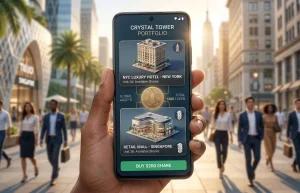
But since these tokens are digital, you can buy a $500 share of an office building in London while sitting in a coffee shop in Dubai. Everything is done through an app on your phone. You can see all the details—the location, the current tenants, and the expected rent—right there on the screen.
And because we can use Stablecoins to handle the payments, you don’t have to worry about the slow “SWIFT” banking system or high currency exchange fees. The money moves as fast as an email. This opens up real estate to a global pool of buyers, which means properties can find investors much faster than they used to.
Here is how we develop Stablecoin systems for global payments.
Is it Actually Legal and Safe?
This is the big question every partner asks. Here is the honest truth: 2026 is much different than the “wild west” of early crypto. Governments have finally caught up and created clear rules for how digital property shares have to work.
The Law: In Europe, for example, we follow the MiCA regulations which require companies to be fully transparent about their assets.
Your Identity: You can’t just buy tokens anonymously anymore. Every investor has to go through a “Know Your Customer” (KYC) check, which means the system is as safe and regulated as a traditional stock exchange.
The Record: A digital deed on a blockchain is actually much harder to fake or lose than a piece of paper in a government office. Since thousands of computers have a copy of the ledger, a hacker can’t just “delete” your ownership.
We build these platforms to follow the law from day one. That means using “Legal Wrappers” (like an SPV) so that your digital token is legally recognized as a real share in a real company that owns a real building.
Beyond Just Ownership: The NFT Marketplace
When people hear “NFT,” they often think of digital art, but in 2026, the real value is in NFT Marketplaces for physical assets.
Think of an NFT as a unique digital “bucket” that holds all the legal documents, inspection reports, and ownership history of a property. When you sell a property token, that NFT moves from the seller to the buyer instantly. This makes the “secondary market” work. If you want to sell your share because you need to pay for a vacation or a new car, you just list it on the marketplace, and someone else can buy it in seconds. You don’t need a broker to find a buyer; the platform does it for you.

A Simple Roadmap for Your Project
If you want to build a platform like this in 2026, don’t try to do everything on day one. It’s a process. Here’s the thing: you need to get the legal and the tech sides talking to each other from the start.
The Legal Setup (~30 days): You have to create a company (usually an SPV) that actually owns the building. This is the “bridge” between the physical world and the digital one.
Writing the Code (~60 days): This is where we build the smart contracts. We set the rules—like who can buy the tokens, how much the rent is, and what happens if someone wants to sell.
The Security Audit (~20 days): Before you go live, you need an outside expert to check the code. You want to make sure there are no “back doors” where a hacker could get in.
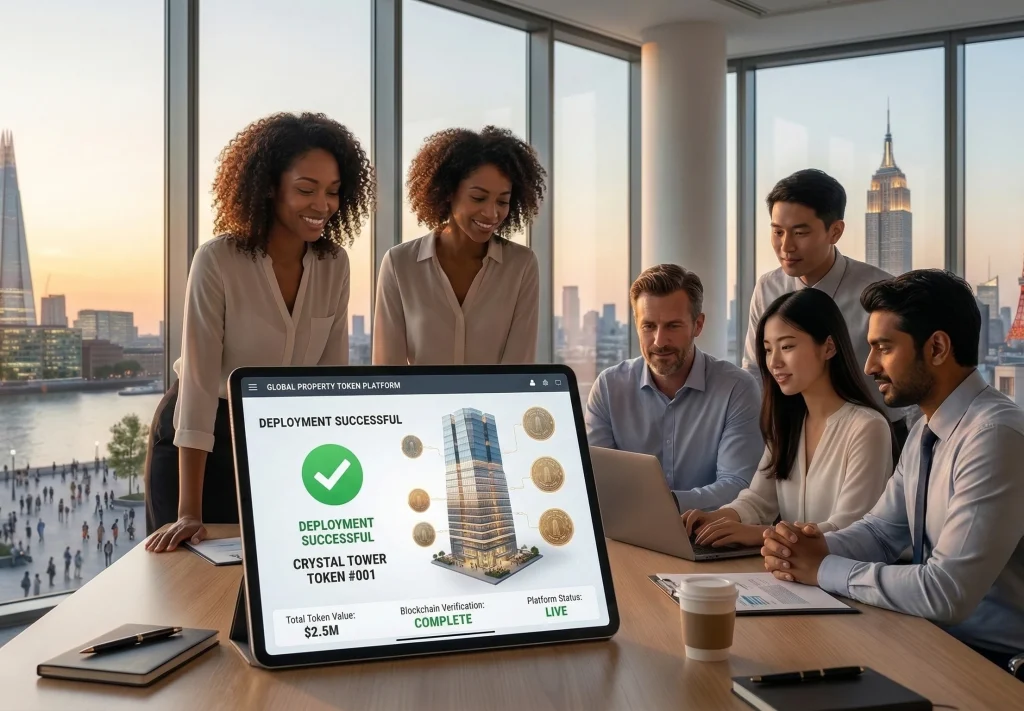
Launching the Platform: You start by onboarding your first group of investors, running their ID checks (KYC), and letting them buy their first tokens.

Why This Matters for 2026 and Beyond
The old way of buying property is dying. In 2026, people don’t want to wait months for a deal to close, and they don’t want to be locked out of the market because they don’t have a million dollars.
Real estate tokenization is more than just a new way to buy things; it’s a more honest way to handle property. Since every transaction is on the blockchain, there are no “secret” deals or hidden fees. Everything is out in the open. And as more buildings go digital, we’re going to see a world where you can trade a piece of a warehouse in Germany for a piece of a hotel in Japan as easily as you swap a digital song.
By 2026, the market for these digital assets is already hitting over $1 trillion. The companies that get in now are the ones who will own the infrastructure for the next 50 years.
Summary: The Future is Fractional
Here’s the bottom line: real estate is finally catching up to the rest of the digital world. We are moving from a world of “paper and slow” to a world of “digital and fast”.
Whether you are a developer looking to raise money or an investor looking to grow your savings, tokenization gives you a tool that just didn’t exist a decade ago. It’s about more than just tech; it’s about making the world’s biggest asset class work for everyone, not just the elite.
Want to talk about your platform?
Send us a message here. We can help you figure out if tokenization is the right move for your portfolio.
Build custom AI solutions that deliver real business value
From strategy to deployment, we help you design, develop, and scale AI-powered software that solves complex problems and drives measurable outcomes.